
Merve Şanlı is an Istanbul-based architect and curator who has spent the last four years carving out a unique space in the city’s creative landscape. Originally from Ankara, her journey has evolved from designing structures to managing artists and collaborating with Istanbul’s independent music scene.
Today, she leads the team at Sofar Istanbul, where she focuses on supporting emerging talent and discovering the city’s most hidden, unique venues. In this conversation, we explore her shift from “buildings” to “experiences,” the raw energy of Istanbul’s music culture, and why she is currently choosing to embrace a slower pace in such a fast-moving city.
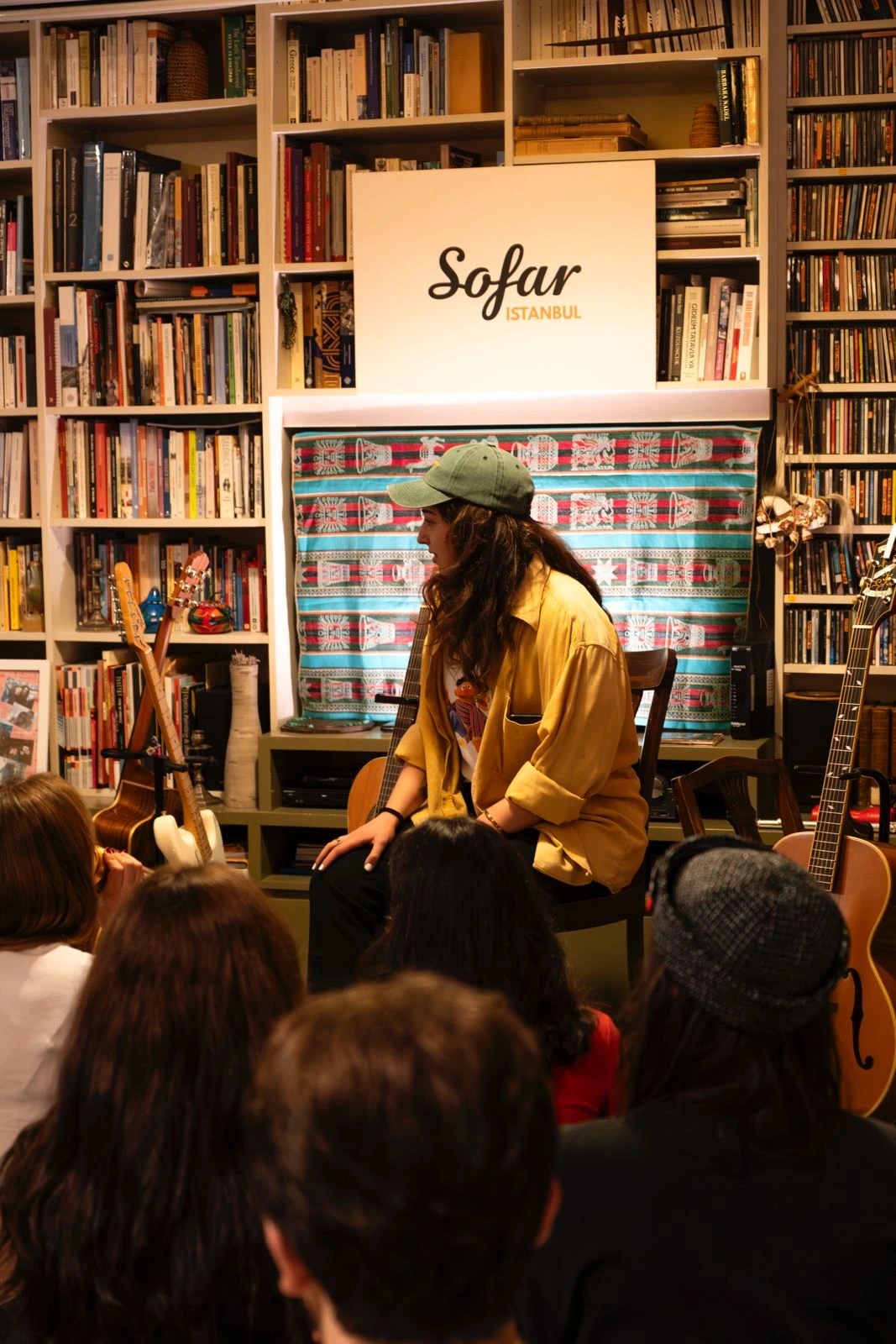
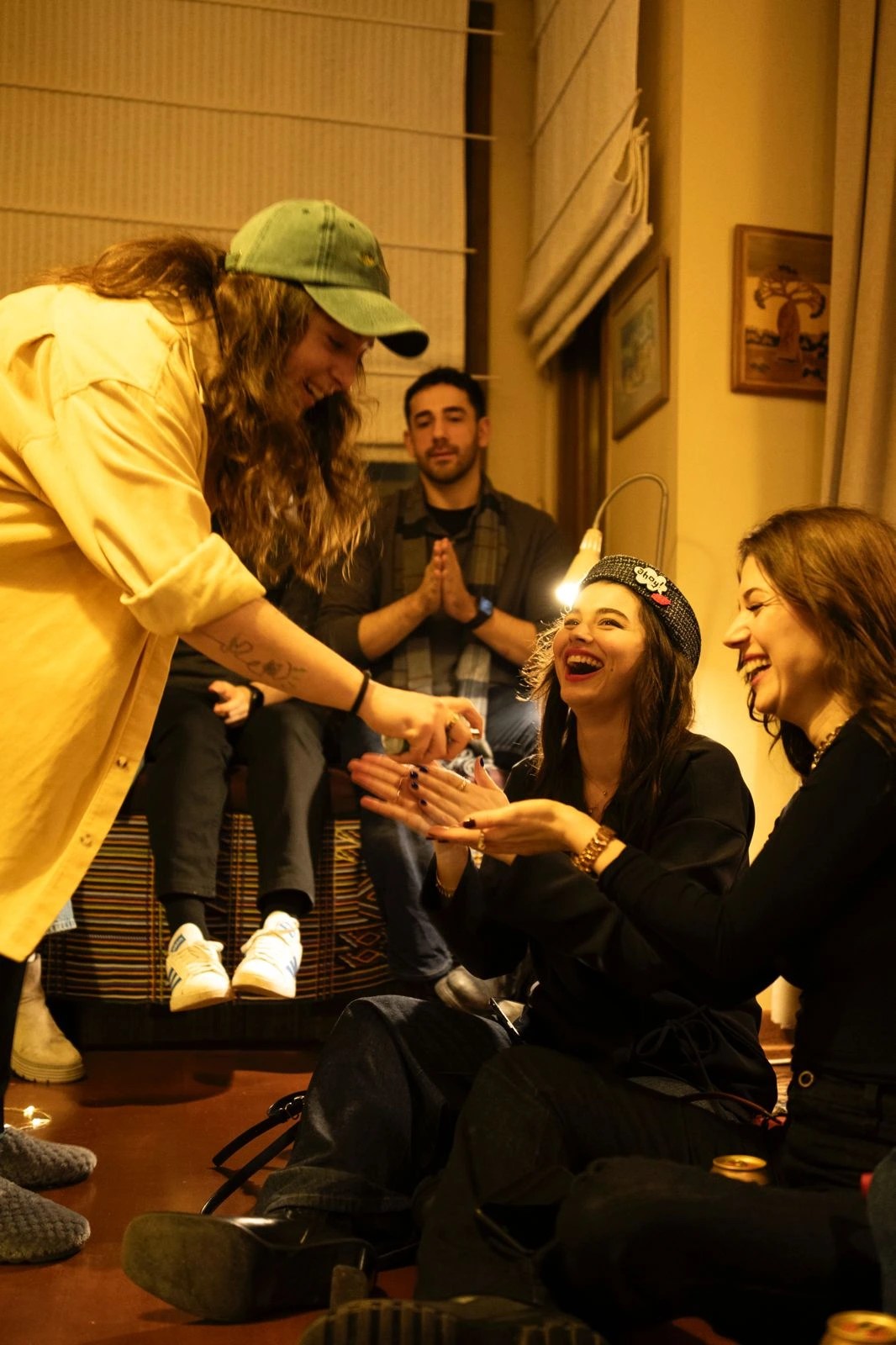
To start us off, how would you describe yourself to someone who doesn’t know you? Tell us a bit about your background and how you got to where you are.
I’m originally from Ankara, I studied architecture there, and during my university years, I was already very active. We were organising different festivals, small cultural events, and community-based projects. That period shaped my curiosity and the way I approach culture today.
About four years ago, I moved to Istanbul, and that’s when everything really started to change. The city pushed me to explore more. I began going to concerts and events constantly, meeting new people, and slowly finding my place in the cultural and music scene.
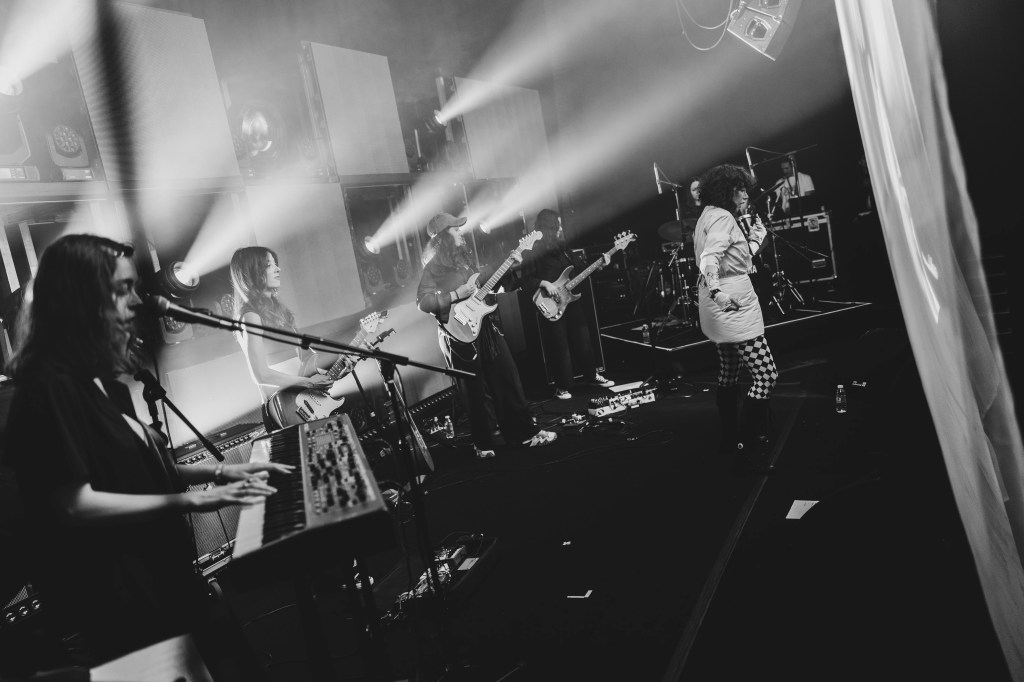
Music became a bigger part of my life through Sofar Ankara. That’s where I entered the scene more deeply. Through Sofar Ankara, I met Selût, and that’s how I started artist management. It opened a completely new world for me, and since then, music has become central to what I do.
Today I work as the curator of Sofar Istanbul, and I really love it. It feels natural because it combines everything I care about: space, people, atmosphere, and sound. Whether it’s a concert, an exhibition, or a gathering, what excites me most is creating meaningful moments where people can connect with each other and with the city.
My path wasn’t linear at all, but somehow everything connects.
Also, something people don’t usually expect about me: I have two siblings, and I love children. I’m actually quite a domestic person. I enjoy cooking, spending time at home, and simple routines. But from the outside, people usually see me at events all the time, so they assume I’m always out and social. It’s funny because both sides exist at the same time.
You were trained as an architect! How did you go from designing buildings to focusing on curation and events? Was it a slow change or a sudden pivot?
It was definitely slow. I never woke up one day and decided to quit architecture. It just happened naturally. While I was studying, I was already more excited about the cultural side of things. I realised I enjoyed bringing people together and shaping atmospheres more than working in an office.
Architecture actually helped a lot. It taught me how to think spatially, how to manage complex projects, and how to turn ideas into something real. So I don’t feel like I left architecture. I just use it in a different way now. I usually say that instead of designing buildings, I now design experiences.
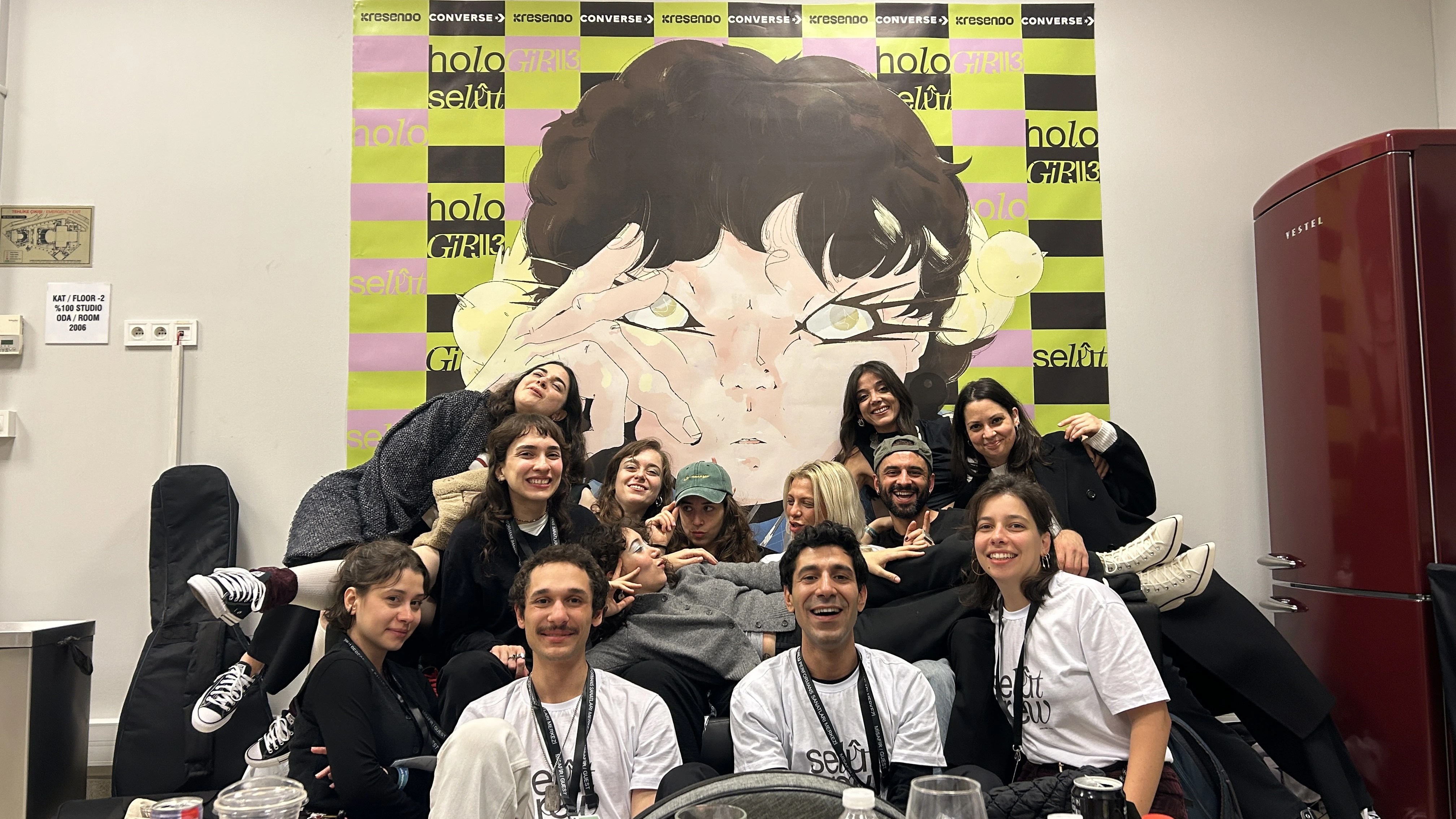
A huge congratulations on curating for Sofar Istanbul! It’s such a unique, intimate platform. How has the experience of selecting artists and secret venues felt so far, and what do you think makes the Istanbul chapter of Sofar stand out globally?
Thank you! It’s been really exciting and also a bit intense. With Sofar, you’re not just booking artists, you’re designing a whole emotional journey for the audience. The intimacy is what makes it special. People really come to listen, not just to hang out.
We took over about a month ago with a new, all-women core team, and we’re trying to build something that feels very local and community-driven. We focus on independent and emerging artists, and we collaborate a lot with women-run spaces and alternative venues.
I think Istanbul stands out because it’s such a layered and chaotic city, but in a beautiful way. Every event feels different. There’s a strong DIY spirit and openness here. People are curious and willing to take risks, which makes the atmosphere very real and alive.
Since you’re so active in the city, what’s your honest take on the Istanbul art and music scene right now? What are the best parts, and what’s actually difficult about it?
The best part is definitely the community. There’s a real sense of solidarity among independent artists and organisers. People collaborate a lot, support each other, and create new formats. The audience is also very open and curious, which is amazing.
But it’s not easy. Financial sustainability is a big issue. Many spaces and artists are struggling. There’s also a lot of uncertainty, politically and economically, which affects the cultural scene.
At the same time, this pressure pushes people to be more creative. Actually, some of the most interesting things happen because of these limitations. So it’s challenging but also very inspiring.
Outside of work and the big projects, what’s one thing you’re currently obsessed with or looking forward to this year?
Honestly, slowing down a bit. My life is very social and fast, so I’m trying to be more present, spend less time online, read more, and create more space for thinking.
I’m also looking forward to spending more time in real, close relationships. Doing simple but meaningful things together: cooking more, sharing meals, creating small rituals, and just enjoying time without rushing. I want to explore the city more, discover new places, walk more, and experience Istanbul in a slower, more intentional way.
Finally, for those looking to follow a similar non-linear path, especially those interested in music curation, what is one piece of advice you wish you had known when you started?
There is no right path. Everyone’s journey looks different. In this field, your curiosity and relationships matter more than having a perfect plan.
Start small, even if it’s for ten people. Do things before you feel ready. And focus on building real connections, not just networking.
Also, don’t be afraid to ask for help. I really started by asking questions, going to things, observing, trying to understand how everything works, and learning from people around me. When I felt stuck, I asked, I listened, and that made a huge difference. You don’t have to know everything or succeed immediately. Things grow and develop over time.
 Mediterranean Commune*