
Growing up between the quiet countryside of Genzano di Roma and the monumental presence of nearby Rome, Michelangelo Fratianni developed an early fascination with the power of images, first through drawing, then through photography and film. Now based in Bologna and working professionally as a camera assistant and data manager, he moves fluidly between the technical demands of film sets and a personal artistic research rooted in memory, friendship, and the digital traces that shape a generation.
In this interview, we talked with Michelangelo about his roots, the influence of growing up between province and city, the evolution of Pradel Film, the relationship between technical work and artistic research, and the intimate process behind his debut exhibition.
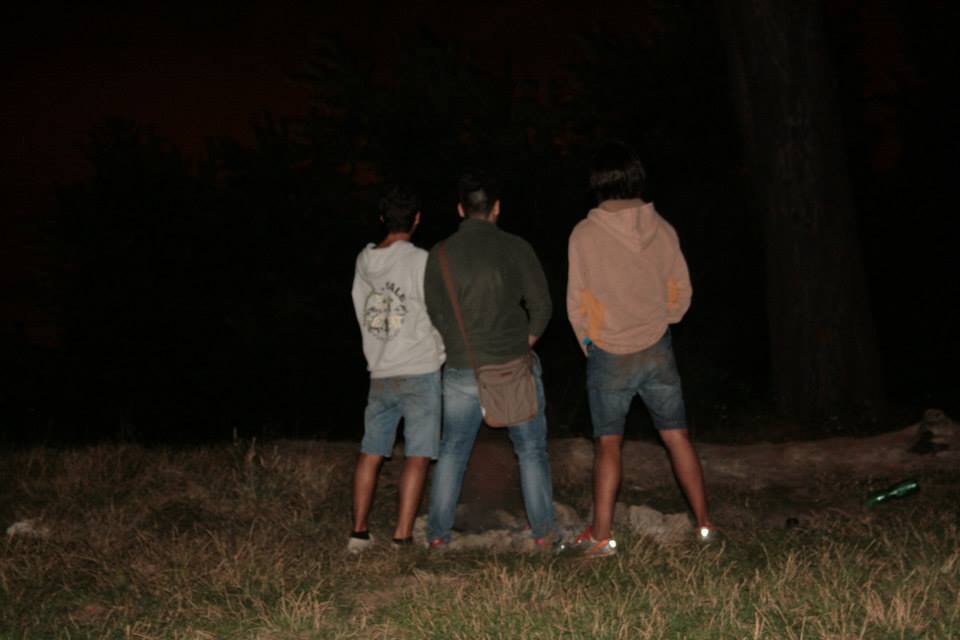
Can you introduce yourself? Where are you from, what do you do, and is there anything about your journey or background you’d like to share with us?
I’m Michelangelo, I’m from Italy. I studied Cinema and Photography and I currently work in these fields. Since I was a child, I’ve been fascinated by visual arts; I remember I loved drawing portraits of my schoolmates.
You grew up in the province of Rome, a city with a strong visual and historical presence. How does this cultural and visual environment influence your way of seeing, whether in photography or film?
Yes, I grew up in the province of Rome and it has been very important for my artistic development. On one hand, I lived in a small town with nothing but my friends and family; on the other hand, we had Rome very close, but we needed to plan to go there because public transportation took a lot of time. It’s your choice to live the big city experience with all its offerings: cinemas, concerts, theaters, and art exhibitions. The province is a peculiar place, because these activities are not taken for granted — you have to look for them. I always felt inspired by the monumental beauty of Rome, but I also felt the need to reconsider the anonymous countryside as an important place for its inhabitants, especially for adolescent groups who cannot move around very often.
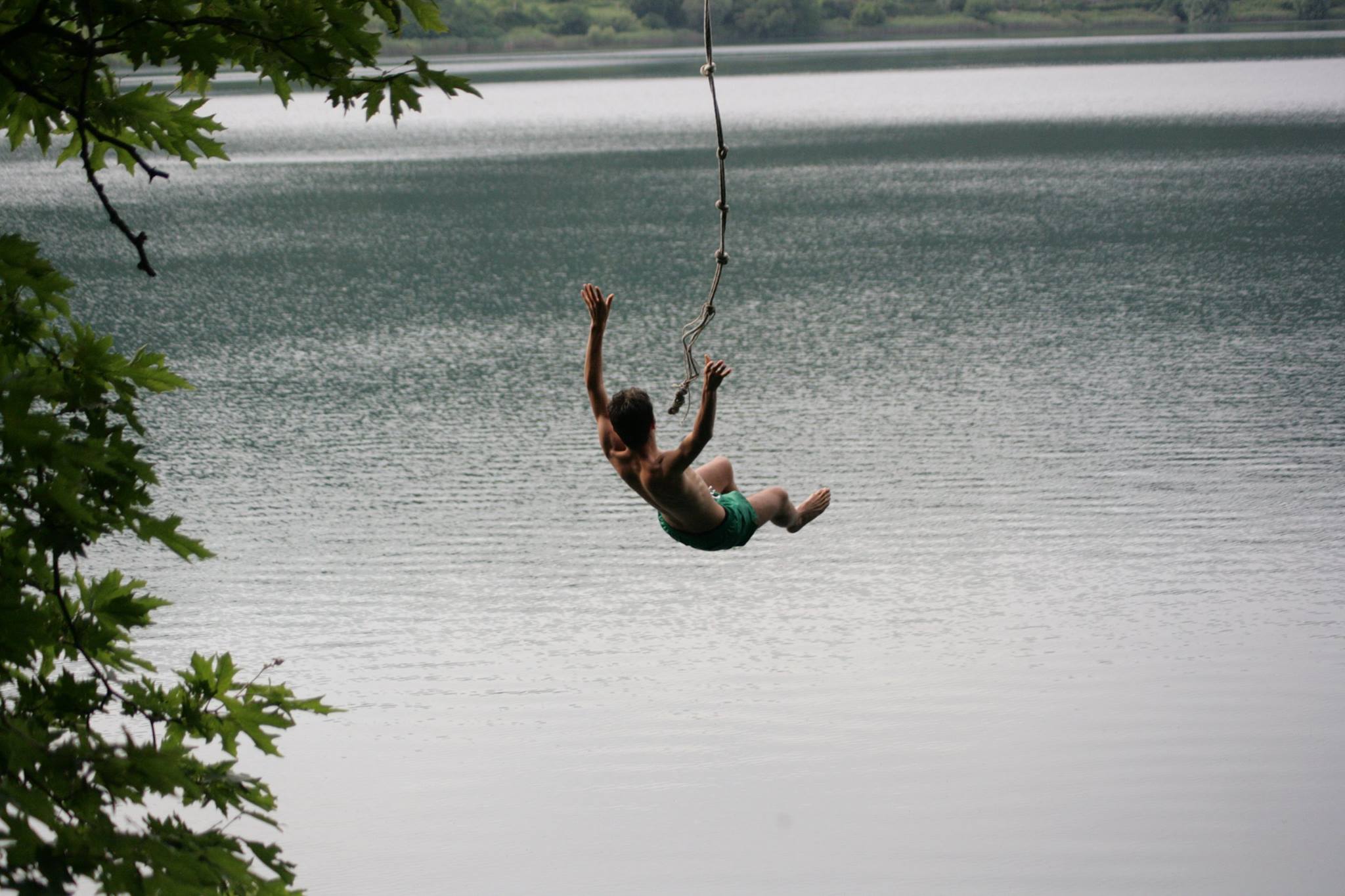
Pradel Film was born as a collective of film students. What motivated you all to formalize the group into a cultural association, and what needs did it respond to within your creative community?
Pradel Film has been a great environment for our professional and human growth: we produced short films and music videos independently. This approach taught us to work with very few resources and to treat each other as equals; we created a small community of colleagues bound by trust and friendship.
You work professionally as a second camera assistant and data manager. How does the technical side of filmmaking inform or contrast with your artistic research as a photographer?
My work as a data manager/assistant is very technical, but it’s mostly linked to my fascination with archives and cataloguing: maybe that’s what led me to download and collect every image that meant something to me. So I started with Facebook albums, where my adolescence was represented and preserved.
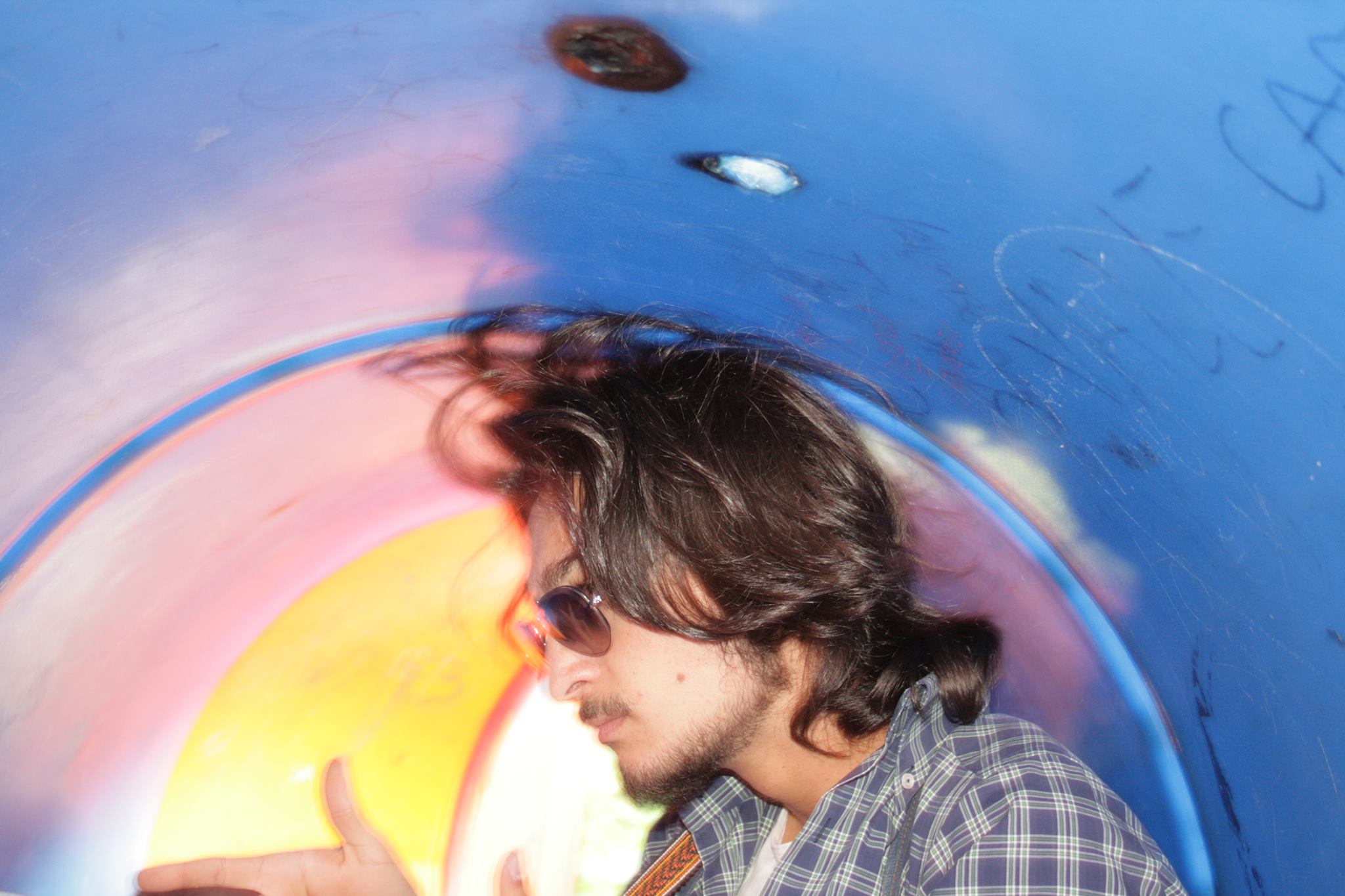
Your first solo exhibition, “1/2 KG, 2 PIOTTE,” marks an important milestone. What sparked the concept behind this project, and how did you translate the narrative into a photographic language?
“1/2 KG, 2 PIOTTE” is an intimate project that focus on collecting my friend group’s photos published online, reflecting on how social networks preserve our collective memory and show our identities over several years. I questioned many times the meaning of these photos for my generation and I reflected on how we represented ourselves during that period of growth. For the finaI form of my project, I selected the snapshots I believe to be the most evocative of our adolescence.
What challenges do you face as a creative, and what advice would you offer to fellow photographers having similar struggles?
The most difficult challenge is the economic one! I would say: don’t give up. It’s a slow process, but if you choose this way to express what you have in mind, you will find your space. In the meantime, you can do anything connected to your field that allows you to pay the rent.
 Mediterranean Commune*