

Ségolène Ragu is a French-Lebanese photographer whose work captures the complexities of daily life, social memory, and crises, particularly in Lebanon. Her photography weaves personal and collective narratives, blending visual storytelling with a profound sense of place and identity.
Whether she’s documenting the history of a single building or capturing the quiet resilience of communities, Ségolène’s perspective offers a window into the lived realities of the Mediterranean and Southwest Asia.
In this interview, Ségolène shares her journey from audiovisual production to photojournalism, her inspirations during the October 2019 uprising in Lebanon, and the creative processes that drive her work. We delve into her exploration of Middle Eastern and Mediterranean identity, her approach to documenting sensitive topics, and the role of storytelling in her projects.
Can you tell us a bit about yourself? Where are you from, and what’s your origin and background? Is there anything about your journey you’d like to share with us?
I’m French-Lebanese, born and raised in France, and I used to go to Lebanon every year for the holidays. My mother always used to speak Arabic to me at home and my father wanted my family in Lebanon to do the same. My best childhood memories stem from my time in Lebanon. Before working as a photographer, I worked in audiovisual production and in an arthouse cinema in Beirut. I was very keen to work in this field, particularly in Lebanon.
How did you start observing daily life as an artistic pursuit? Was there a specific “aha” moment that made you realize, “This is what I want to do”?
During the October 2019 uprising in Lebanon, I took a lot of photos during the protests and that’s when I recalled that when I was a teenager, I wanted to be a photographer. When I came back to France, I took a documentary photojournalism course and that confirmed that this was what I wanted to do. I then came back to Lebanon to work as a photographer in 2021.
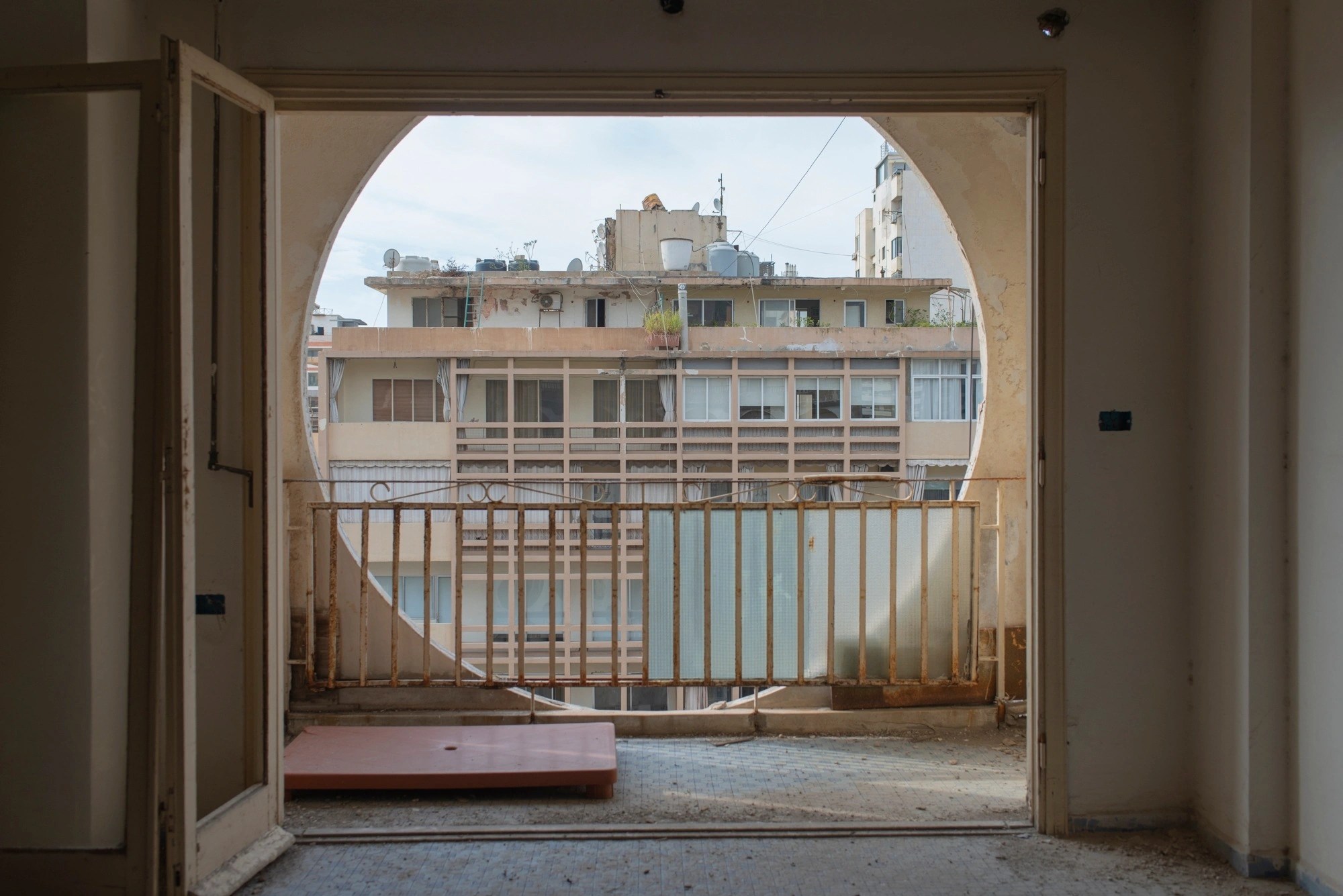
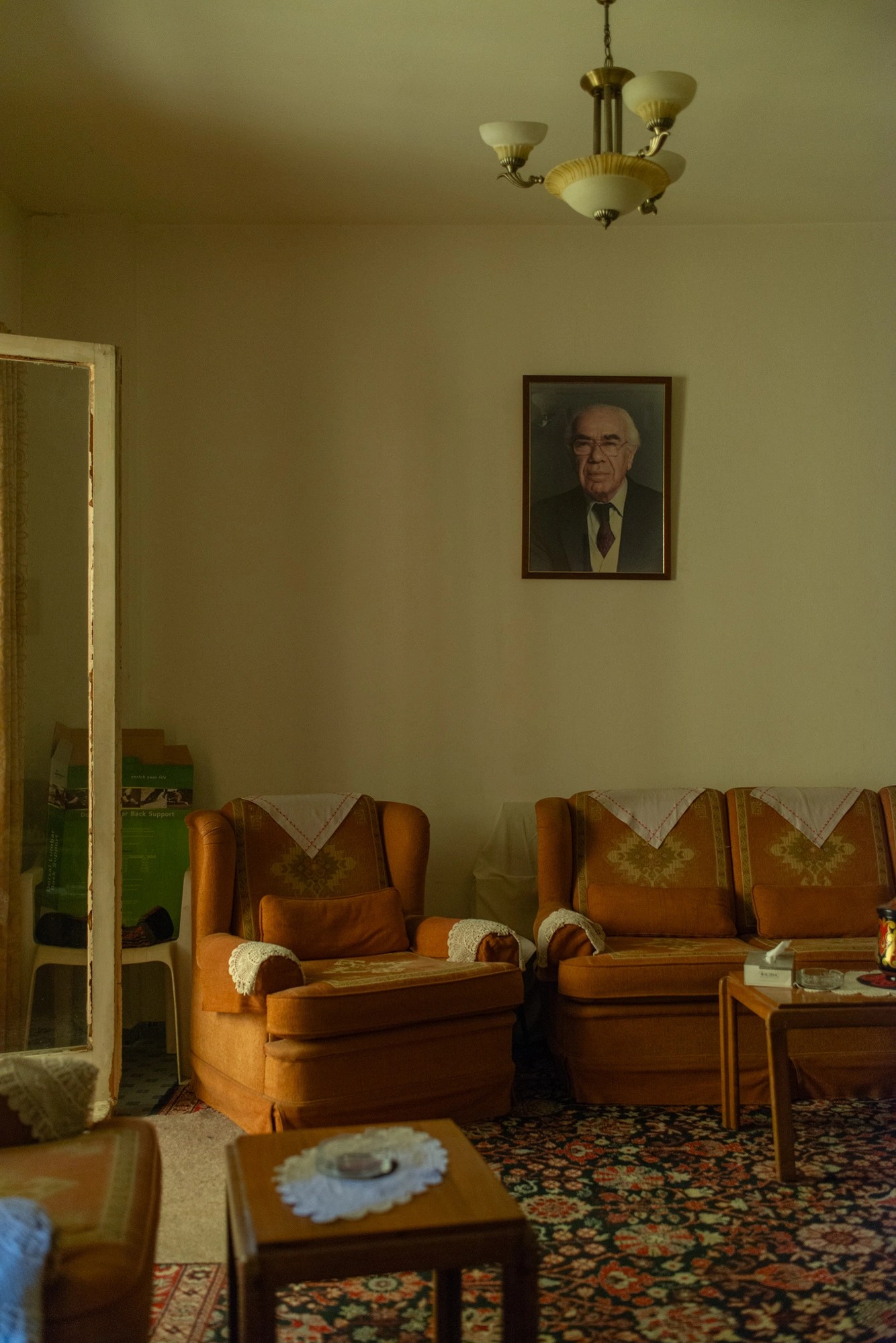
The moment I understood the type of photography I wanted to do was during the project on the Semiramis building. I realised that sometimes objects and buildings can tell a lot of stories. Since then I’ve continued to take photos of material things as well as portraits.
You come from a region with layers of history where modern and traditional elements blend together. What does the Middle Eastern and Mediterranean identity mean to you, and how does it inspire your creativity?
For me, the Mediterranean identity is a shared history. And the Southwest Asian identity means a common language, as well as a shared culture of regional cinema and music on a daily basis.
There’s also a kind of nostalgia.
It’s the sense of community, a form of extroversion and a particular attention to others. The fact that it’s easy to mix family and friends at social gatherings. It’s also the Arabic language and its expressions, which can express particular states of mind in a poetic way. I think that these expressions reflect the culture of the region.
Visually, it’s a special kind of light. As it’s sunny most of the year, we have beautiful sunsets every day that cover the air in pastel colours and cover everything in a soft, golden light, it’s beautiful. There’s a kind of peace and gentleness about it.
It is also a pattern of violence and resistance. Although it’s a common bias from the media to overwhelmingly represent Southwest Asia through violence, war is a reality that every generation has now lived through.
Your work often focuses on documenting social life, memories, and crises, particularly in Lebanon. How has this shaped your relationship with your city and the way you see its people and spaces?
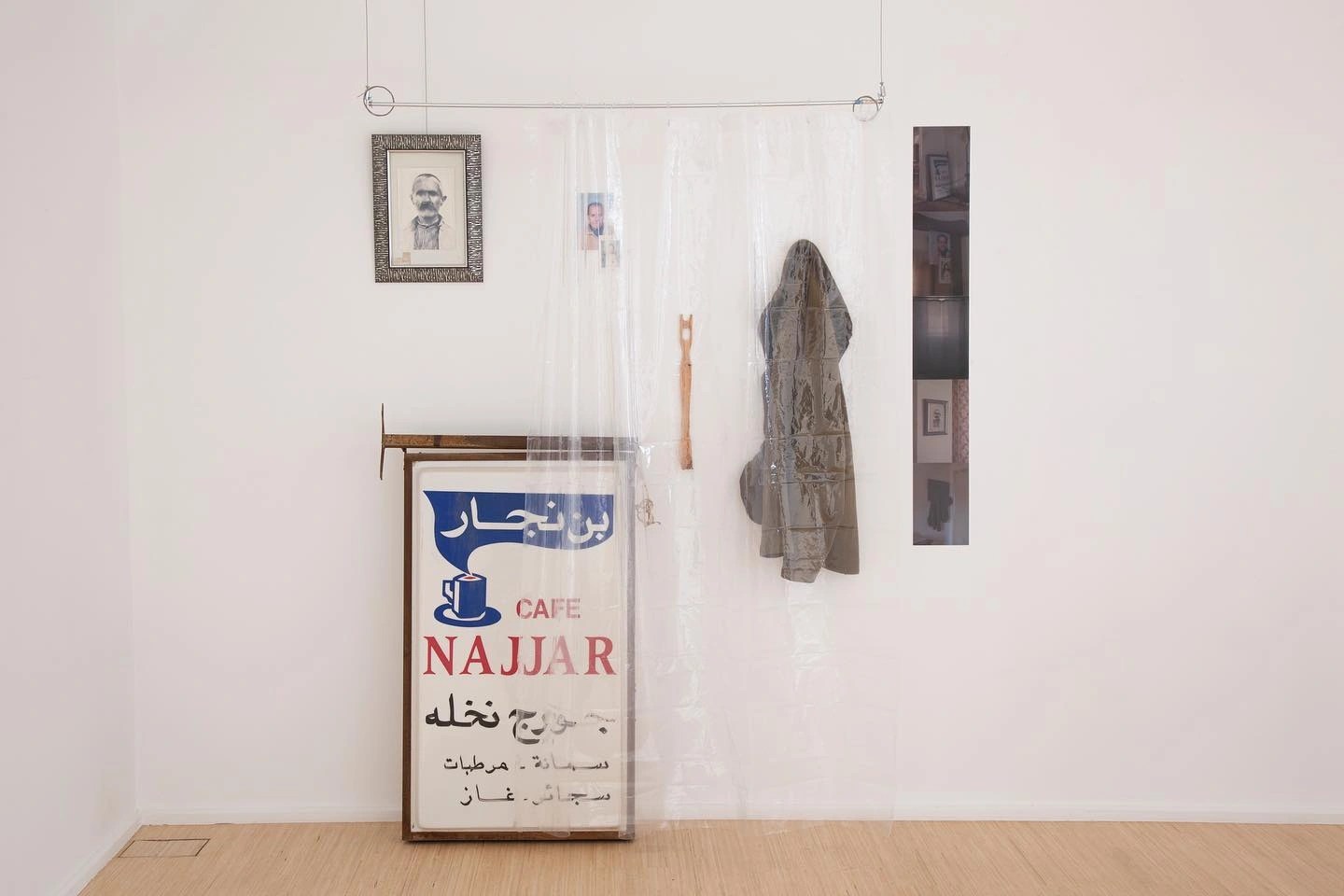
Hearing my family tell of their experience of the civil war inspired me to document their memory. Documenting their memory inspired me to document daily life in Lebanon and to tell the stories of others. The conversations I have with relatives and the stories they tell me feed into the documentation I do, and vice versa. It’s a constant dialogue.
What role does storytelling play in your work? How do you choose which stories to highlight, and what do you hope people take away from them?
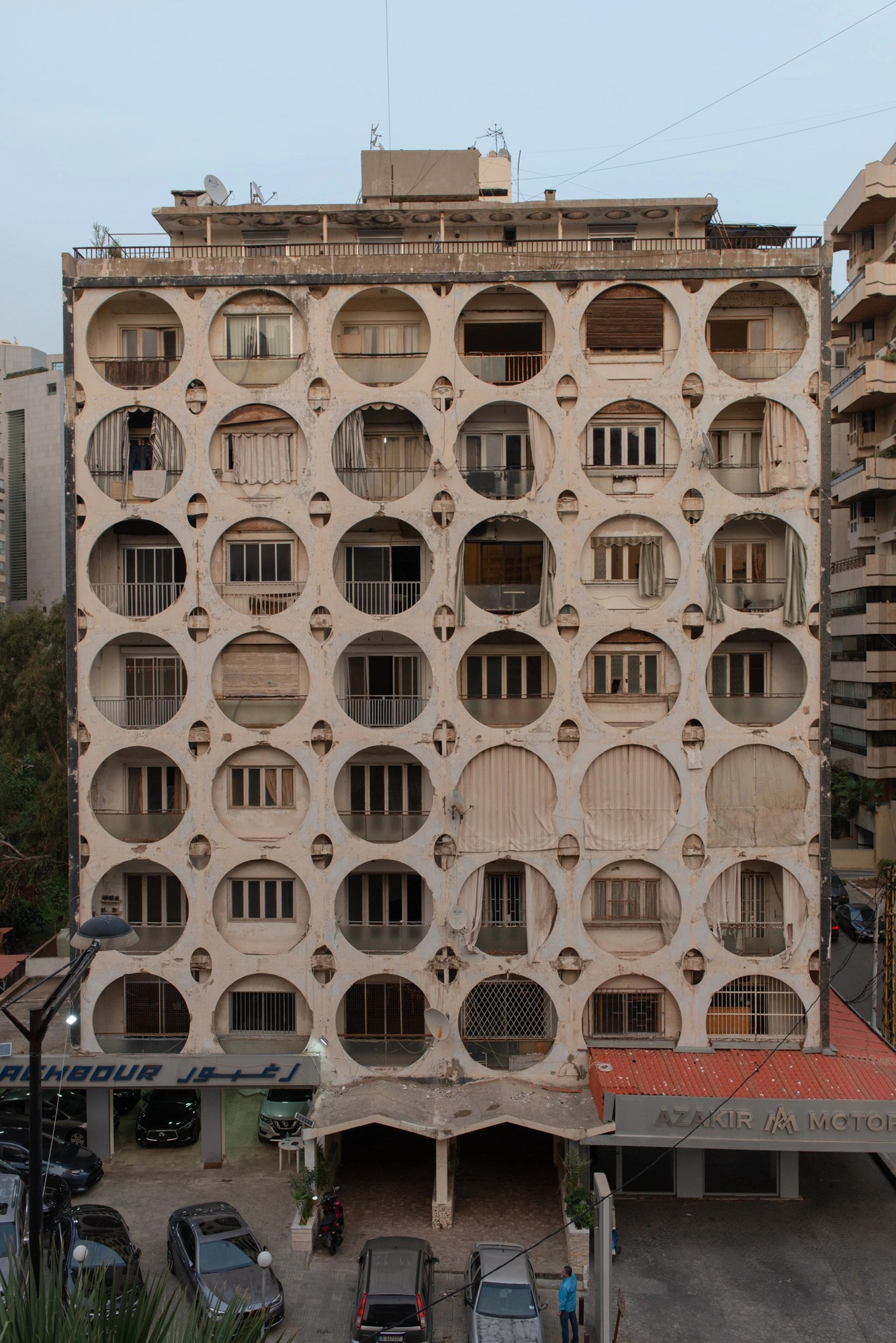
Working with journalist Thomas Abgrall on the Semiramis, for example, we initially focused on the architectural aspect of the building and the fact that its owners were in the process of evicting the residents in order to sell it.
When we visited the building, the rich history of the residents combined with the rich history of the building made us want to take the time to tell the story of the building through these individual stories, which form a world of their own and reflect part of the history of Lebanon since the 1960s.
The Semiramis made me realise that I loved telling stories from a single location. Spaces keep the marks of the people who have passed there, and the stories that have happened there. There’s a kind of intensity to them.
What is the biggest challenge in documenting social life and crises? How do you navigate capturing sensitive topics while staying authentic and respectful?
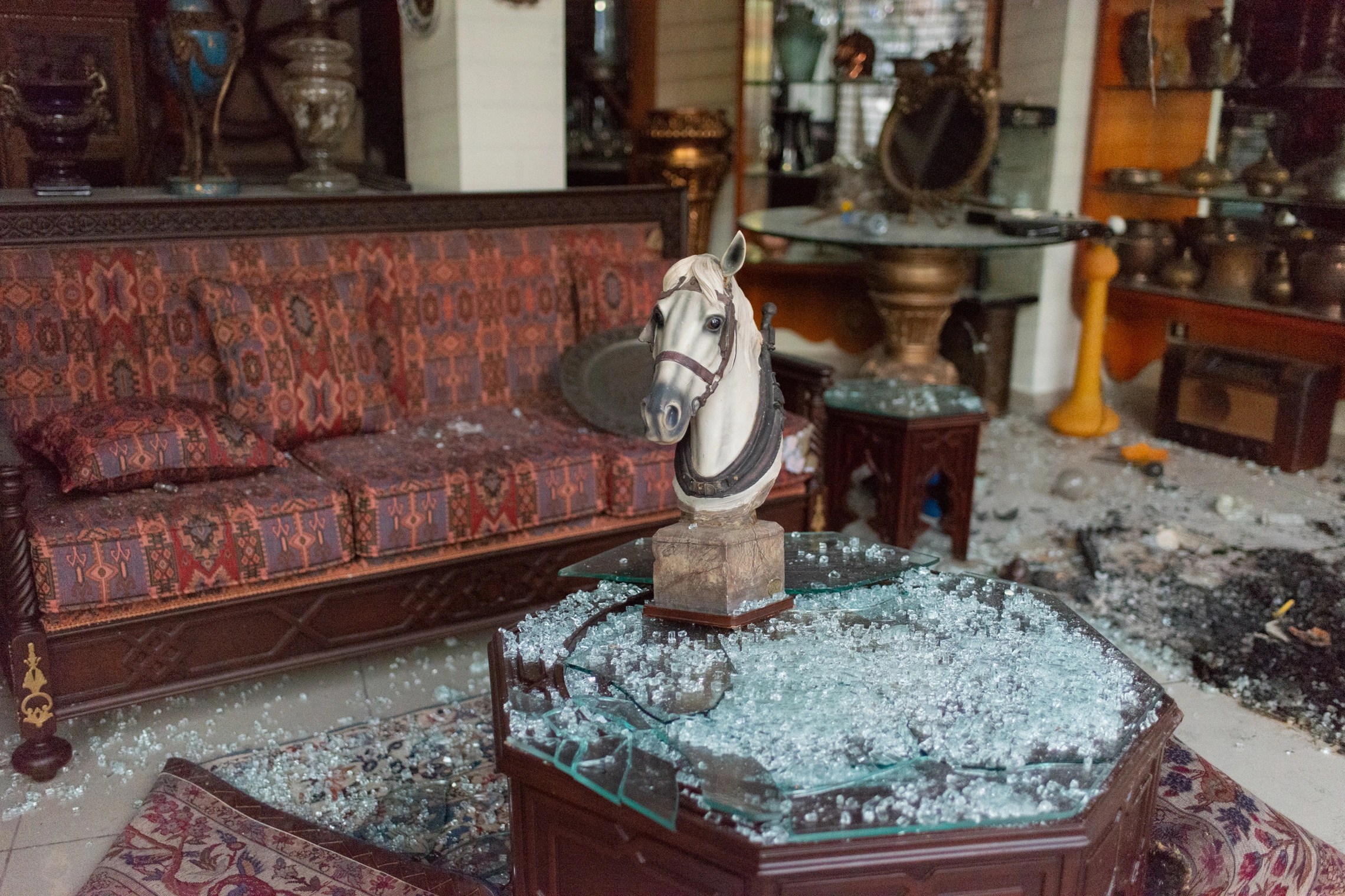
One of the greatest challenges in documenting social life and crises is to show the gravity of the situation in a respectful way.
These crises are very real and it’s important to document them with respect, without seeking sensationalism. I find it hard to do candid shots where people are vulnerable.
In September, when Israel bombed Lebanon in an even more intense and disproportionate way, I took photos in a center for displaced people and in Beirut downtown, where families had fled and just spent the night outside. I took these photos with their backs to the camera. This makes me think that you don’t always need to show faces to tell a story.
Having collaborated with various national and international institutions, are there any upcoming projects or exhibitions you’re excited about? Can you share a glimpse of what’s next for you?
I am currently taking part in a masterclass organised by the Samir Kassir Foundation and World Press Photo, along with a dozen of other photographers based in Lebanon. Also, my work will be included in the new Middle East Archive book, which brings together photos from the region around a common theme. I love this initiative, as it shows the diversity of the region and the variety of points of view in the region. I’ve also recently worked on a story about midwives in Lebanon and how they organised to help pregnant women and new mothers during the war, to be published soon.
Do you have any advice for people who want to document their surroundings or daily life?
Taking the time to observe without taking photos straight away. Observing with a naked eye allows us to see what catches our eye.
Listening to your surroundings and following your intuition. Being curious about the everyday things that may seem ordinary but can actually tell us so much about the world we live in.
When planning a photo story, we sometimes think in advance about the type of images we want to make. It’s also great to let go when you’re shooting, because you’ll see things you would not expect. And that’s great, because reality is much more complex than what you see in your head.
 Mediterranean Commune*