
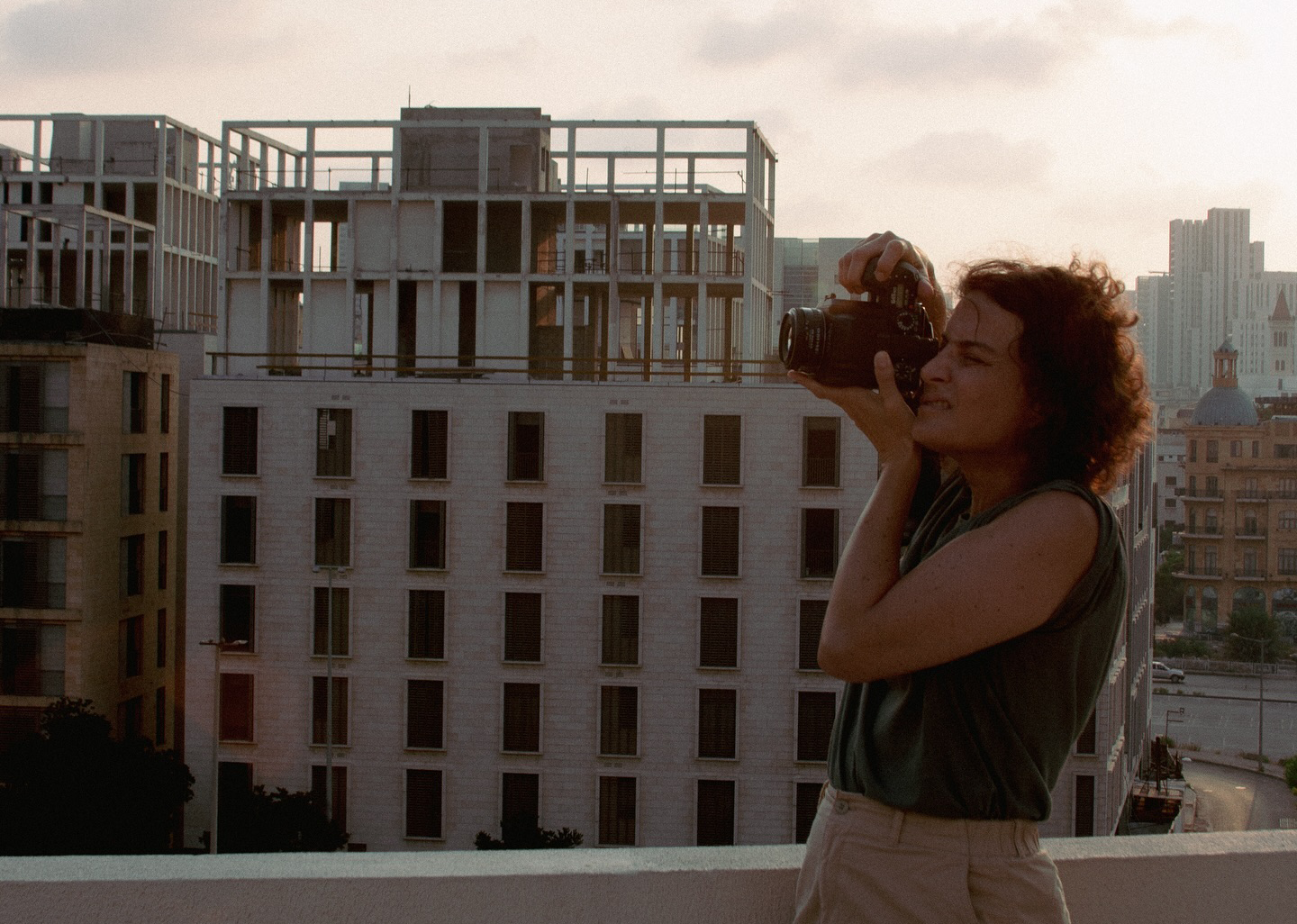
Tanya Traboulsi s a photographer based in Beirut, Lebanon, with roots in both Lebanon and Austria. Growing up between these two cultural landscapes, she developed a unique artistic voice centered on themes of identity, memory, and belonging. Her photography reflects the dualities of her heritage, combining the deeply personal with the universally relatable.
Her work captures the Mediterranean’s contrasts, such as beauty and chaos, warmth and strength, while documenting the lived experiences of her community. Beirut, a city in constant flux, serves as her canvas and muse, deeply influencing her creative process.
In this interview, Tanya discusses how her Mediterranean identity shapes her art, the challenges and rewards of telling both personal and collective stories, and the inspiration behind her book, A Sea Apart. She also reflects on the transformative power of photography to reshape local narratives and preserve memory for future generations.
Can you share a bit about yourself? Where are you from, where are you currently based, and how has your background influenced your artistic style?
I’m a photographer based in Beirut, Lebanon, with roots in both Lebanon and Austria. Growing up between two cultures has profoundly shaped my perspective and artistic voice. This dual heritage has instilled in me a fascination with identity, memory, and belonging, themes that are central to my work. My experiences as someone rooted in different cultural contexts often surface in my photography, creating a bridge between the deeply personal and the universally relatable.
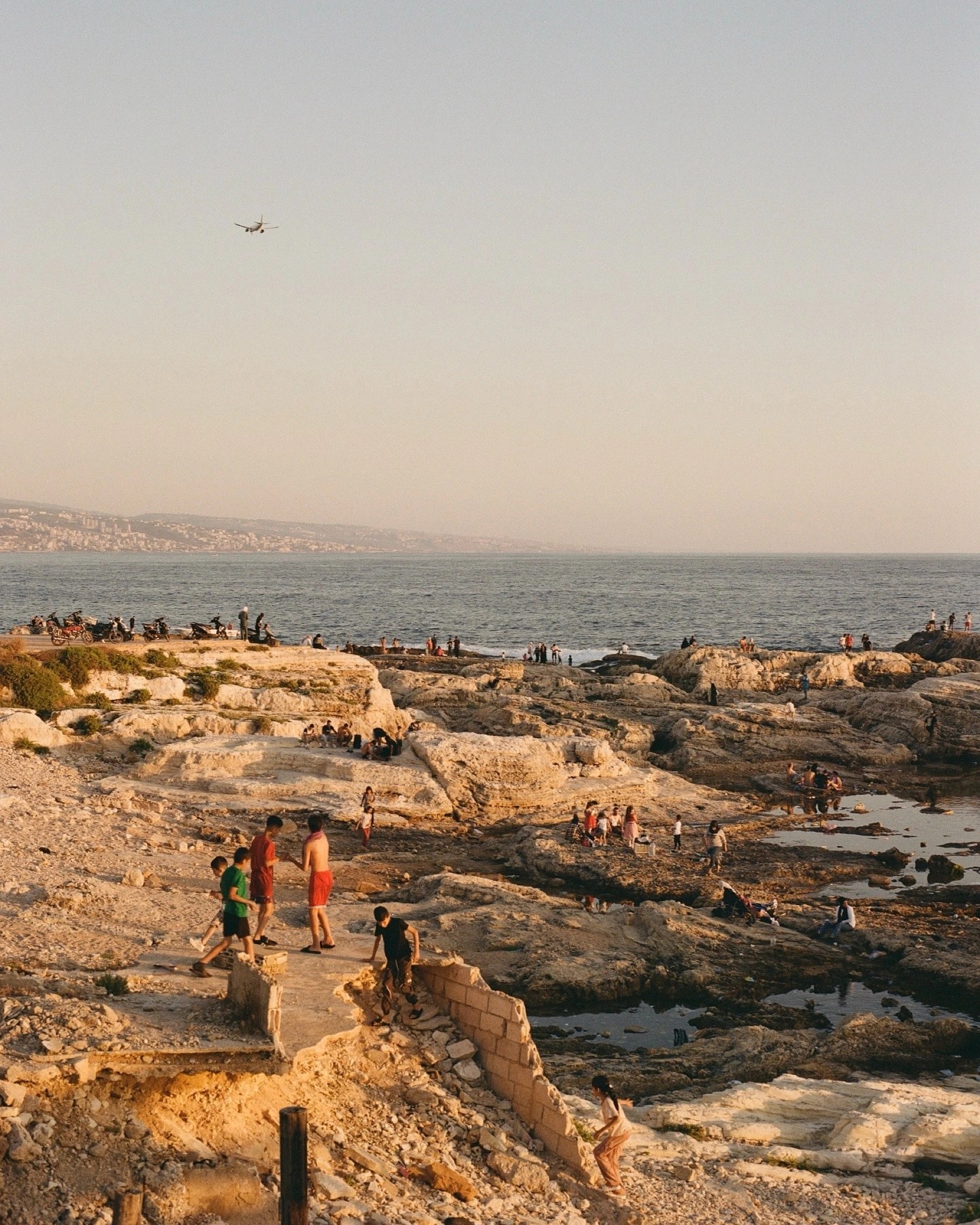
To start, what does being Mediterranean mean to you, both personally and artistically? How does this identity influence your work?
To me, being Mediterranean is about an intricate interplay of contrasts, beauty and chaos, warmth and strength. Personally, it’s about a strong connection to the sea, the landscape, and the culture of storytelling. Artistically, it translates into capturing these dualities: moments of beauty and pain, joy and struggle. This identity often informs the aesthetic choices in my work, from the framing of an image to the way I position my subjects within their environment.
Your body of work captures both personal and collective experiences. How do you navigate the balance between telling your own story while also representing the broader narratives of your community and culture?
It’s a delicate balance. I start by immersing myself in the personal: my memories, emotions, and lived experiences, which often serve as the entry point into larger conversations. From there, I work towards creating imagery that resonates universally while remaining honest to its context. Collaboration and listening are crucial in this process, as they allow me to engage with others’ perspectives without imposing my own narrative too strongly.
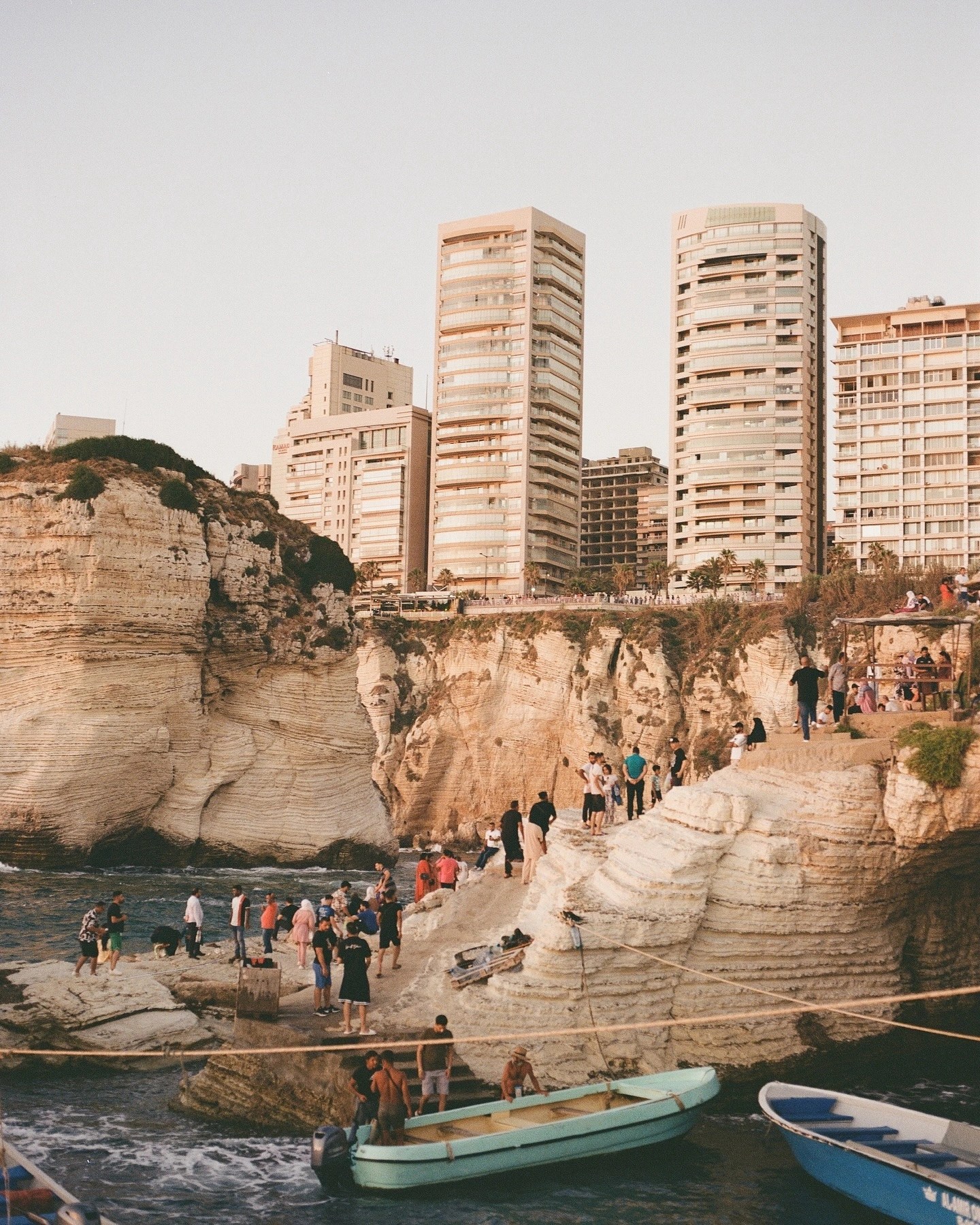
Beirut plays such a central role in your projects. In light of the city’s constant transformation, how do you think this state of flux impacts your creative process, particularly when dealing with themes of instability and change?
Beirut’s state of perpetual flux is both a challenge and an inspiration. The city’s instability reflects a collective experience that mirrors my own sense of longing and searching. This dynamic forces me to be adaptable in my creative process, whether through revisiting familiar spaces that have transformed or discovering new layers in what once seemed static. The instability fuels a desire to document not only what is lost but also what persists
Your book “A Sea Apart” compiles photographs from Beirut. Could you share the creative process behind shaping this work into a book? How do you feel it enhances the audience’s experience compared to viewing it as part of an exhibition?
The process of developing “A Sea Apart” was very introspective. It involved curating a collection of images that captured my relationship with Beirut. The book format allows for a more intimate and personal engagement. Unlike an exhibition, where the viewer’s experience is shaped by space and sequence, a book invites lingering. It becomes an object to which people can return, creating their own journey through its pages.

Looking forward, are there any new themes or personal aspects you’re interested in exploring in your future work?
I’m increasingly drawn to the idea of creating an archive that future generations can look to for understanding and connection. My work continues to focus on documenting and preserving memories, with a strong awareness of the image as a powerful tool for remembering. By capturing moments that reflect the complexities of our time, I aim to build a visual narrative that bridges the present with the future ahead.
As an artist deeply engaged with personal and cultural identity, how do you think photography can contribute to reshaping local narratives?
Photography holds immense power in challenging stereotypes and reshaping how we see ourselves and our communities. By focusing on nuance and authenticity, photographers can create alternative narratives that go beyond the reductive headlines. In a place like Lebanon, photography can preserve stories, provide deeper perspectives, and offer a more nuanced understanding of what it means to live in such a complex place.

For aspiring photographers looking to work on themes of local identity and culture, do you have any advice or insights on how to approach these subjects authentically and with sensitivity?
Start by looking, and then listening. Engage deeply with the people and places you’re photographing, and approach every story with respect and humility. Authenticity comes from connection, not projection. Be aware of your own biases, and let the process be a conversation rather than a one-sided portrayal. Finally, take your time. Meaningful work often requires patience and persistence, especially when dealing with themes of identity and culture.
🌱 Check out Tanya’s website and Instagram to see more of her works, and also, for access to “A Sea Apart,” click here.
 Mediterranean Commune*