
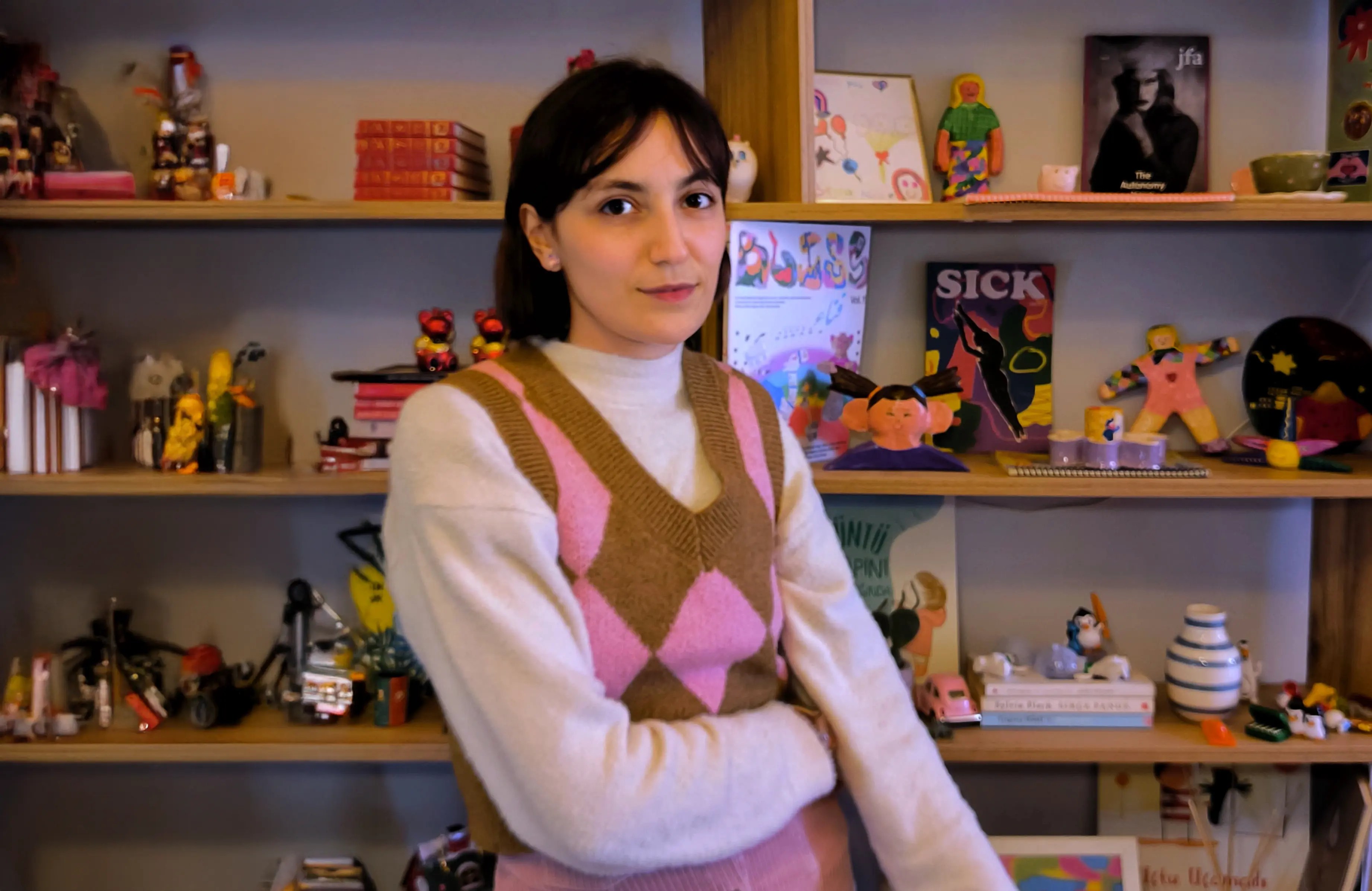
Beyza Durmuş is an illustrator and comic artist based in İzmir, Turkey, originally from Ankara.
In this conversation, Beyza shares her creative process, the challenges of navigating the art world as a self-taught queer and disabled artist, and the vital role of community in her growth. With influences ranging from abstract art to children’s book illustrations, her work defies conventions and embraces imperfection.
She was inspired by everyday life, grief, depression, and everything in between. She collaborated with the Guardian, It’s Nice That, Airbnb, Sick Magazine, and many other creative agencies.
Can you share a bit more about your creative process? How do you translate emotions and everyday moments into your distinct visual style?
My process often starts with a writing. I have a collection of over a thousand notes on my phone that I return to over time. Some ideas turn into drawings immediately, while others take years to develop into something tangible.
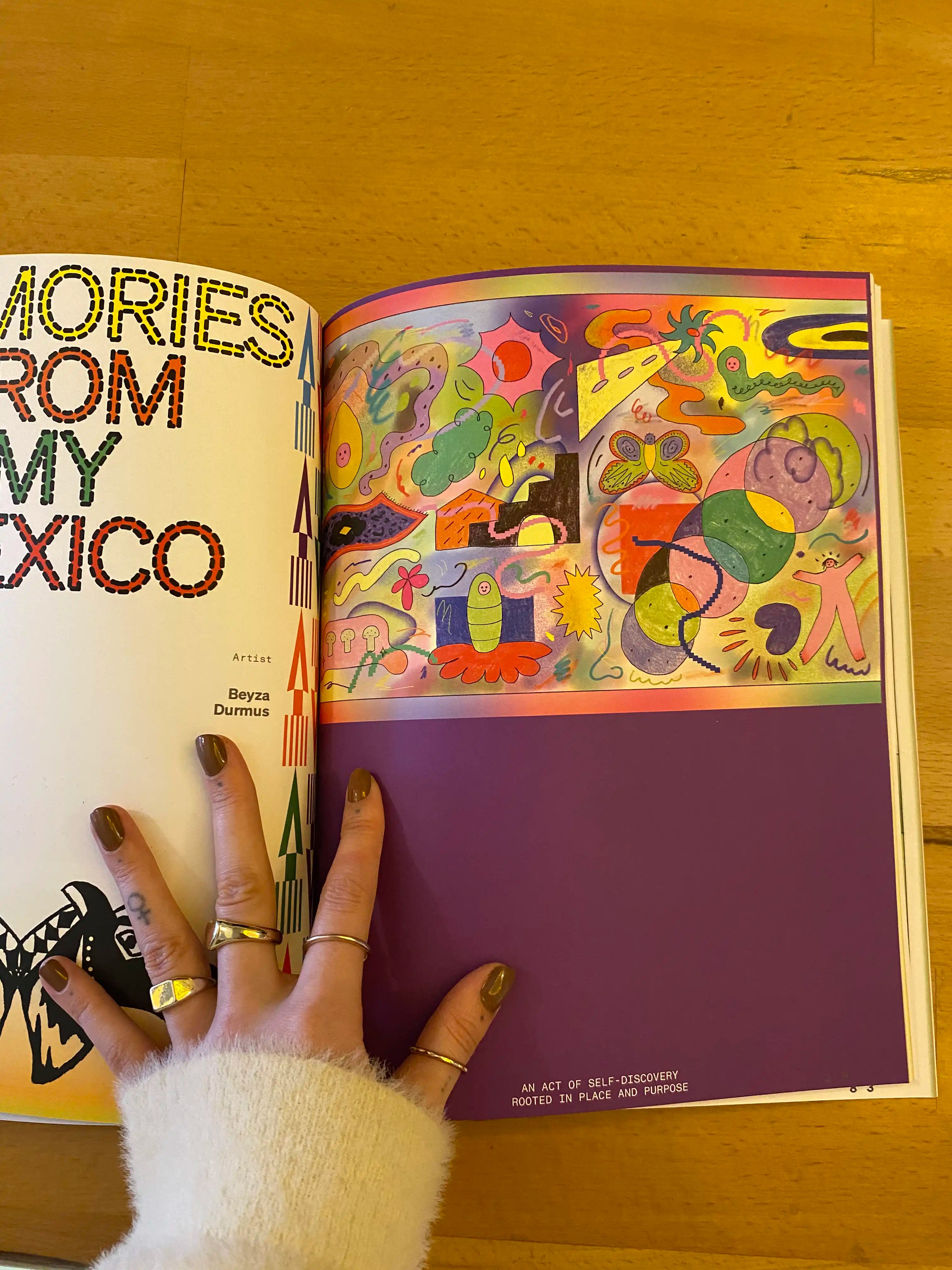
I began drawing during the pandemic after my mother passed away. I had no idea what to do with all the feelings and also the free time I had. I’d always loved writing as a way to process what I’m going through and combining the two together kind of came naturally. I took my iPad and turned it into my visual diary.
For a while, I left writings out of my work, I wanted to prove that I could be a “serious” artist without using words. But I think it’s vital to share what I’m going through openly. I hope to return to comics and zines to bring my stories to life in new ways. As I realized my favorite works often explore what we hide, vulnerable emotions or uncomfortable truths. The ones where I feel I’ve overshared always resonate the most with me because they feel honest and raw.

Being a self-taught artist, what have been some of the biggest challenges or surprises in your journey, and how have you overcome them?
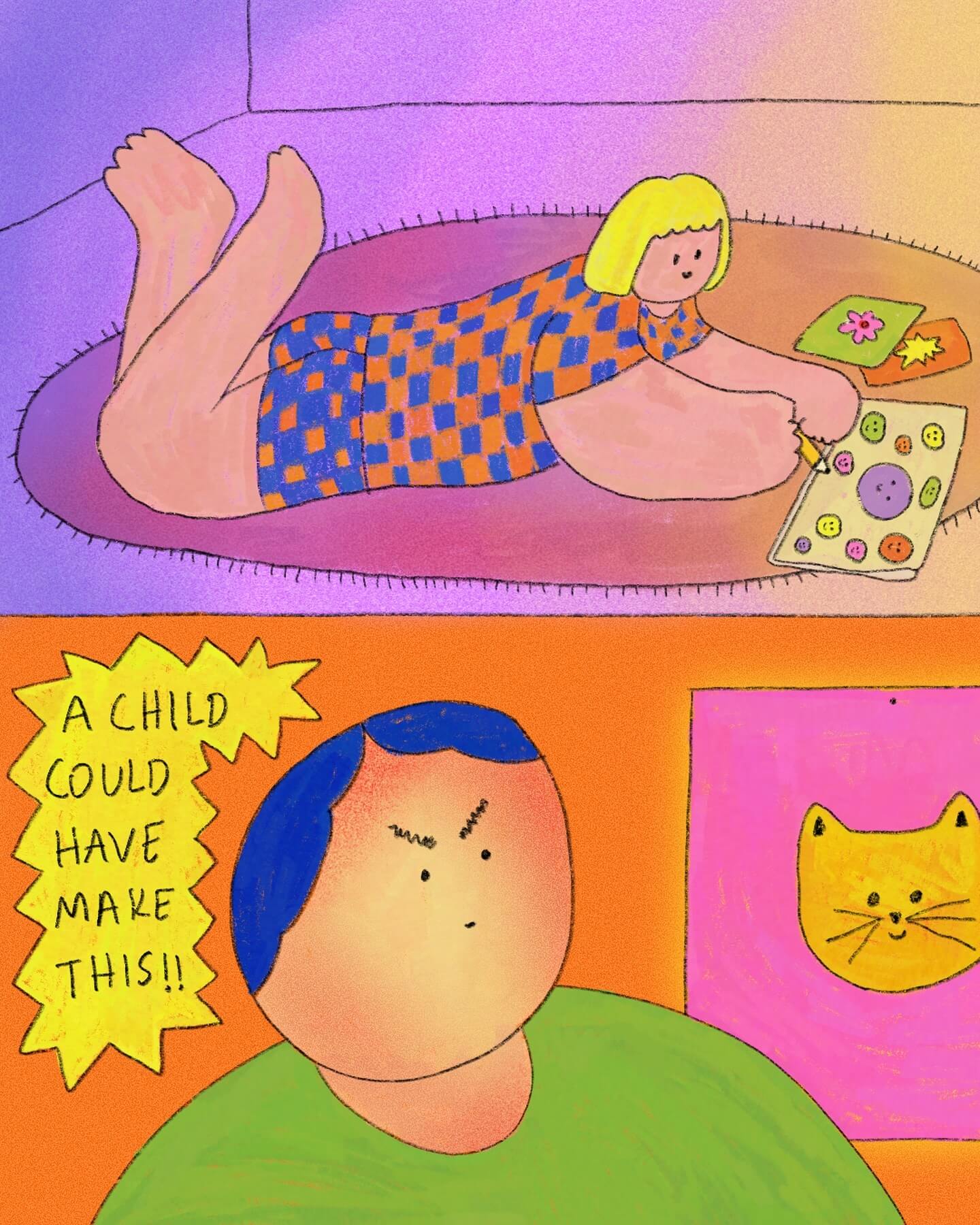
The biggest challenge has always been not knowing what to do! I wished for some all-knowing high power to tell me everything, where to start, how to grow, how to do things properly or what should i do to earn my place and in the end I had to become that high power for myself. I was so curious for the answers I looked for, up all night searching, learning, drawing. With time and experience, I learnt the things I should know and continue to learn everyday.
But most of the time, I felt like an impostor without formal education or a degree. I questioned myself constantly and felt isolated without a community. Social media and the artist community helped me a lot. It allowed me to connect with artists further along in their careers and many were incredibly supportive. Their openness taught me so much, I am proud to be in an environment full of people who are not gatekeepers.
At some point I wanted to attend to an art school but I have already dropped out of two colleges. I don’t think school is for me but in the same time I always wish I had my artist friends from school, different mediums I can try in school ateliers. Being a self taught artist can be a lonely experience, where you always try to create time and space for yourself to try new things. But I also enjoy the challenge, I want to prove to myself that I can make it as an artist no matter what.
How does your identity as a queer and disabled artist influence your storytelling, and what message do you hope to communicate through your art?
I want to tell stories from my perspective as much as I can. Right now, I don’t focus heavily on themes of queerness or disability in my work, but just existing openly as a queer, disabled artist is powerful in itself. It’s taken a long time to get here, and I hope to show others that they have a place in this world too.
Without the queer and disability communities, I wouldn’t be where I am today. They’ve helped me confront internalized biases, learn about myself, and expand my horizons. I want to pay that forward, showing others that there are so many voices and perspectives worth exploring.
I just want people to keep an open mind, educate themselves on these topics. The world is filled with so many different kinds of people and we also belong in that world, we are a part of it and people tend to forget that, like we are living in a far away land.
As someone who openly shares their journey with mental health, how do you take care of yourself while creating art so deeply connected to your experiences?
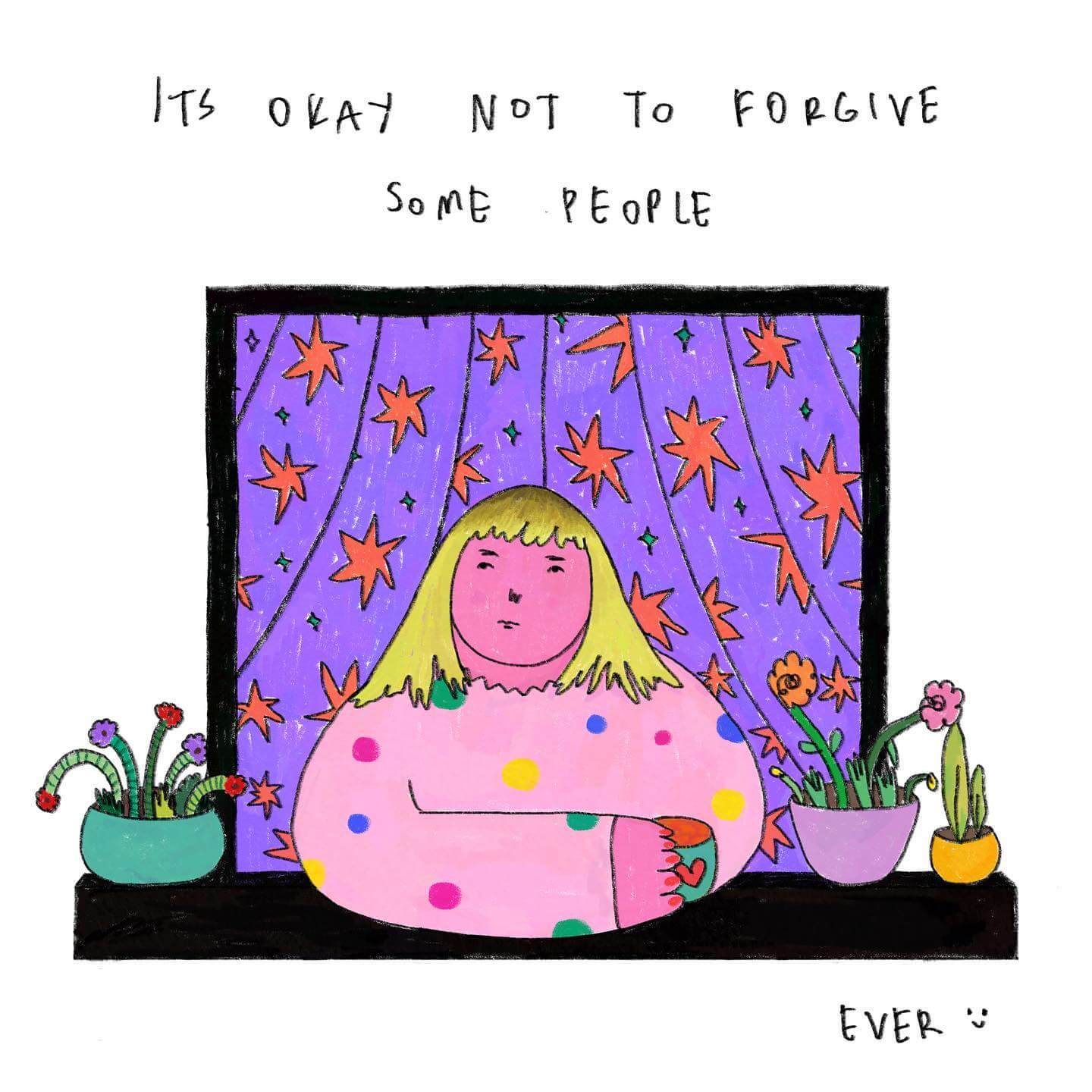
Creating has been my way of coping. Drawing about my most horrible experiences, like death, sexual violence and depression, made me got through of them all. It made me gain insight, both about me and other people’s experiences, made me more empathetic.
I would never heal in this way if I wouldn’t talked about my mother’s death. It was the most painful time of my life and I had no idea what to do with all of the feelings I had.
Even now, I revisit those same feelings, but I’ve learned to let myself feel them fully, whether it’s anger, sadness, or joy. Sharing these experiences has been incredibly powerful, connecting me with others who’ve felt the same. I think that’s what I love most about creating. Even though our experiences are so different and unique yet we all feel the same things, we all meet at shared emotional intersections at some point in our lives.
What role do community and collaboration play in your creative life? Are there any specific artists or movements that have significantly influenced your work?
Community is very essential and without it, I wouldn’t be here. We are believed to be more independent, self sufficient, we should rely on ourselves only and never ask for help. I think individualism is glamorized all the time but it kills us more and more everyday. Without community we cannot survive. I believe it’s through connection and collaboration that we thrive.
I collaborate with people, brands, magazines all the time all over the world through a screen with people I have never seen. It’s a big part of my work but I have never collaborated with other artists in real life, I hope to change that. I’d love to connect with more artists around me and create something together someday.
I’m deeply inspired by abstract and naive art, its imperfections make me feel secure and take off the pressure to be “perfect.” Some of my favorite influences include Etel Adnan, Hilma af Klint, Maria Medem, and Tara Booth. I have so many favorites I get obsessed from time to time and they all make an influence in my work in those periods. My latest obsession is the work in children’s books, I get mesmerized whenever I read one and love how every one of them is so creative.
Can you tell us about a project that holds a special place in your heart and why it’s meaningful to you?
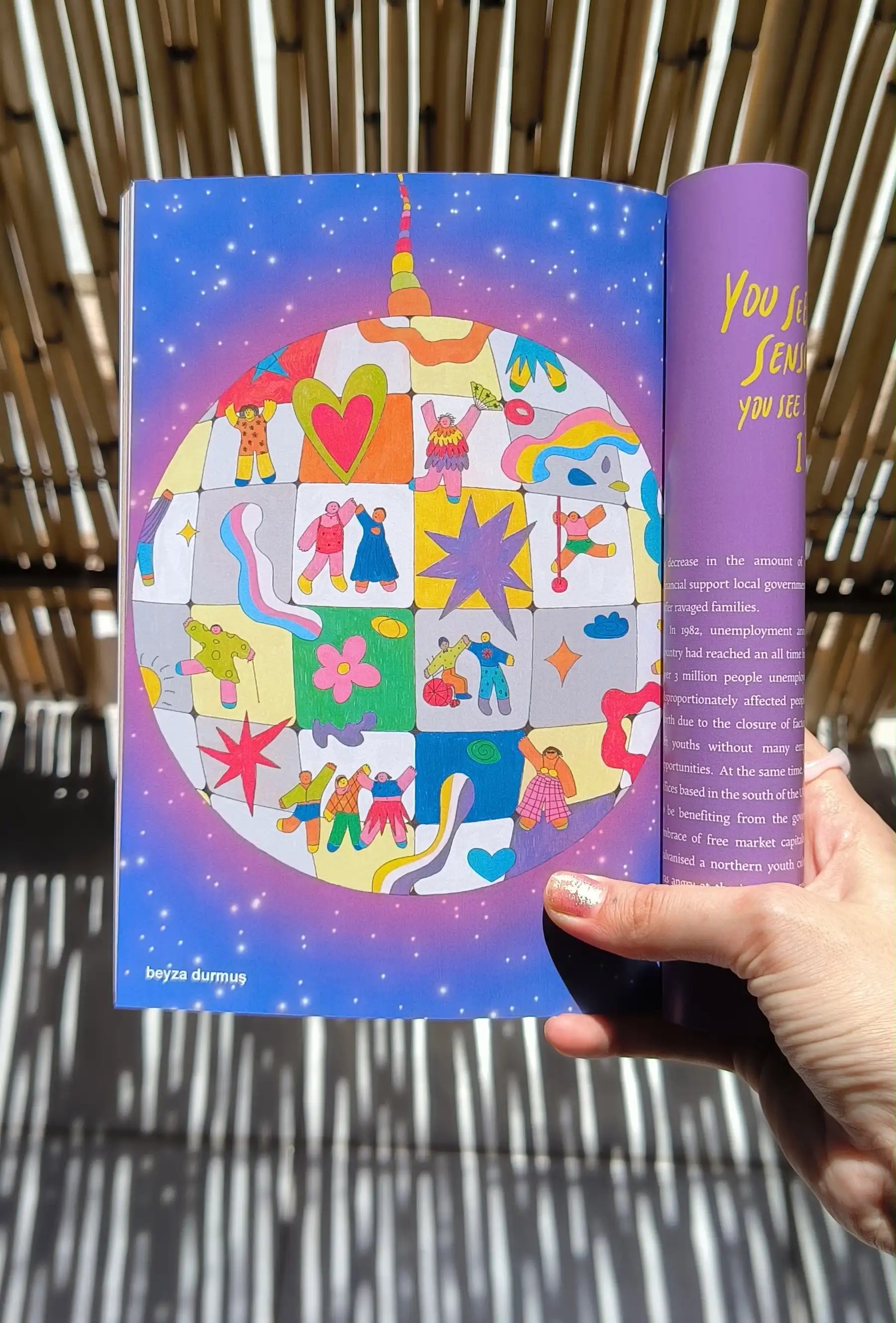
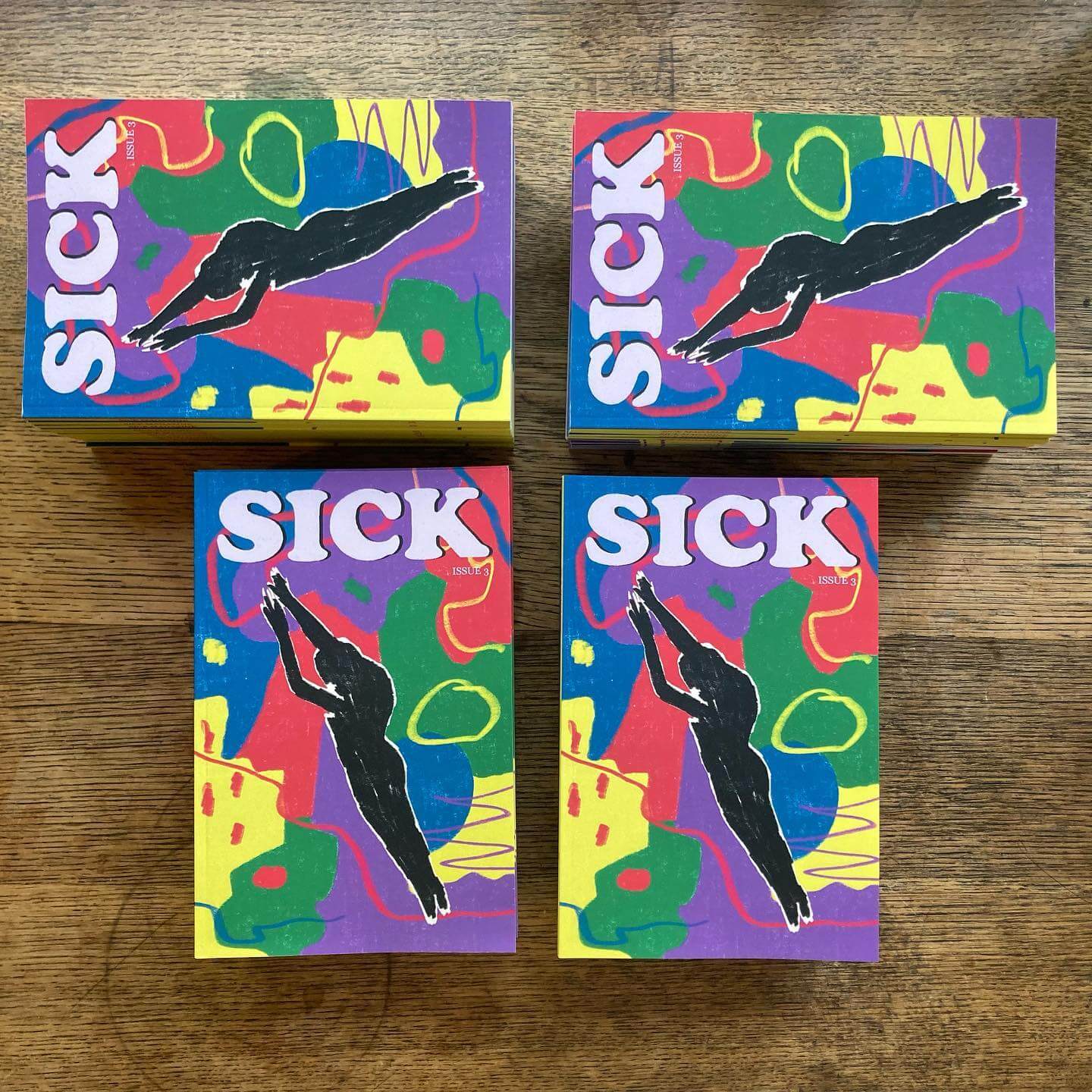
The cover I did for Sick Magazine in 2021 when I was just starting out holds a special place in my heart. It was one of my first major projects, and being part of something so meaningful made me feel connected to something bigger than myself.
Another favorite is the illustrations I created for It’s Nice That on the Autism in the Creative Industry article. It came at a time when I felt burnt out and unsure of myself. Editorial projects are always very exciting for me but also makes me anxious a lot at the same time because of tight deadlines, but I was very proud of the result and I connected so many people afterwards. They will also be a part of the Society of Illustrators’ 67th Annual Exhibition (my first exhibition ever) so It has a very special place in my heart!
What advice would you give to other self-taught artists who are looking to find their voice and navigate the art world?
Decide what you want to do and focus on that. When I first started, I didn’t even know the term “editorial illustration.” I just knew I wanted to create art like the ones I saw in collaborations. Learn about yourself and what you want to be, where you want to be, who you want to work with. Reach out to people, do not be afraid to ask things, be curious.
Draw as much as you can and make a portfolio for the works you want to get.
Do not make the same mistake I did and worry about your style night and day. When you first starting out, you dont have one and its okay! It’s really the best time to create and experiment, cause you don’t know anything and it makes you less judgy of yourself and that gives you a great freedom.
Social media is a very powerful tool, I got every job I had through social media. I connected people from all over the world and it gives me that chance everyday to connect with people who i never had a chance to meet without it. Use it and don’t be scared to put yourself out there.
Take it slow, be gentle with yourself, try to enjoy your journey as much as you can.
🌱 Follow Beyza’s creative journey on Instagram.
 Mediterranean Commune*