
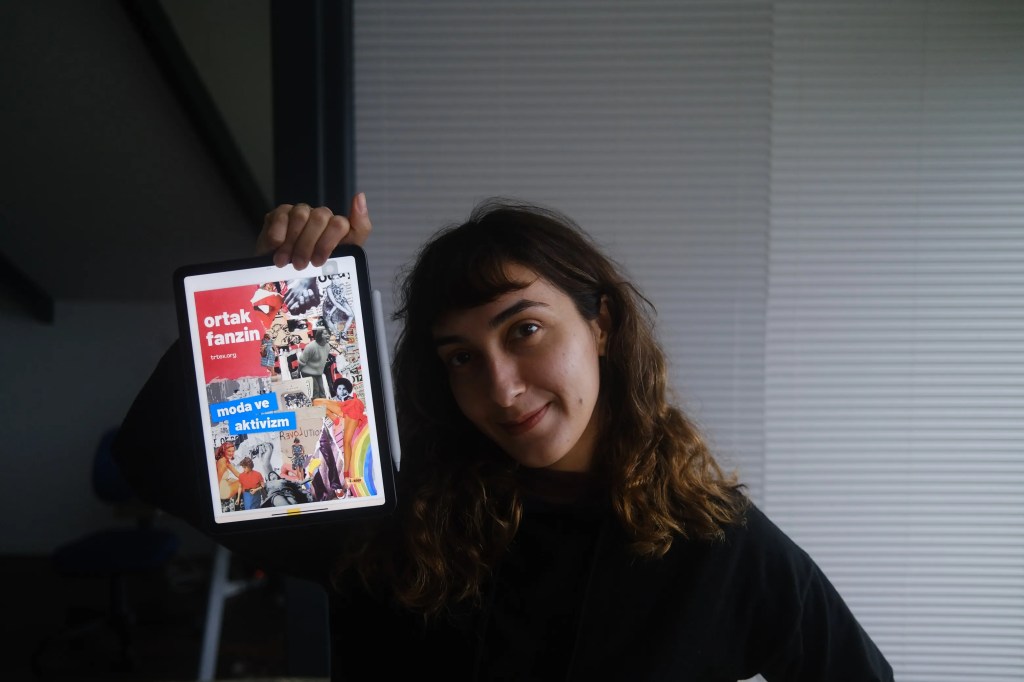
Bilgesu Altunkan Ekim is an entrepreneur, storyteller, and communicator currently based in Prague, Czech Republic, and originally from Ankara, Turkey.
A graduate of Art Management, she has a multidisciplinary background rooted in art, fashion, and sustainable textiles. Her journey began with hands-on experience in exhibitions and styling, evolving into a passion for circular fashion and sustainability. As the founder of Turkey Textile Research Organization (trtex.org), Bilgesu bridges traditional cultural practices and modern innovations, fostering awareness and community collaboration sustainably and ethically. Also, she embraces hobbies like ceramics, music, and culinary traditions, which inspire her holistic approach to life and work.
In this interview, Bilgesu shared her inspiring journey from her early days in art management to becoming a passionate advocate for sustainable fashion. She opened up about the experiences that shaped her career.
Can you share a bit about yourself — your background, current location, and any personal details that have shaped your journey?
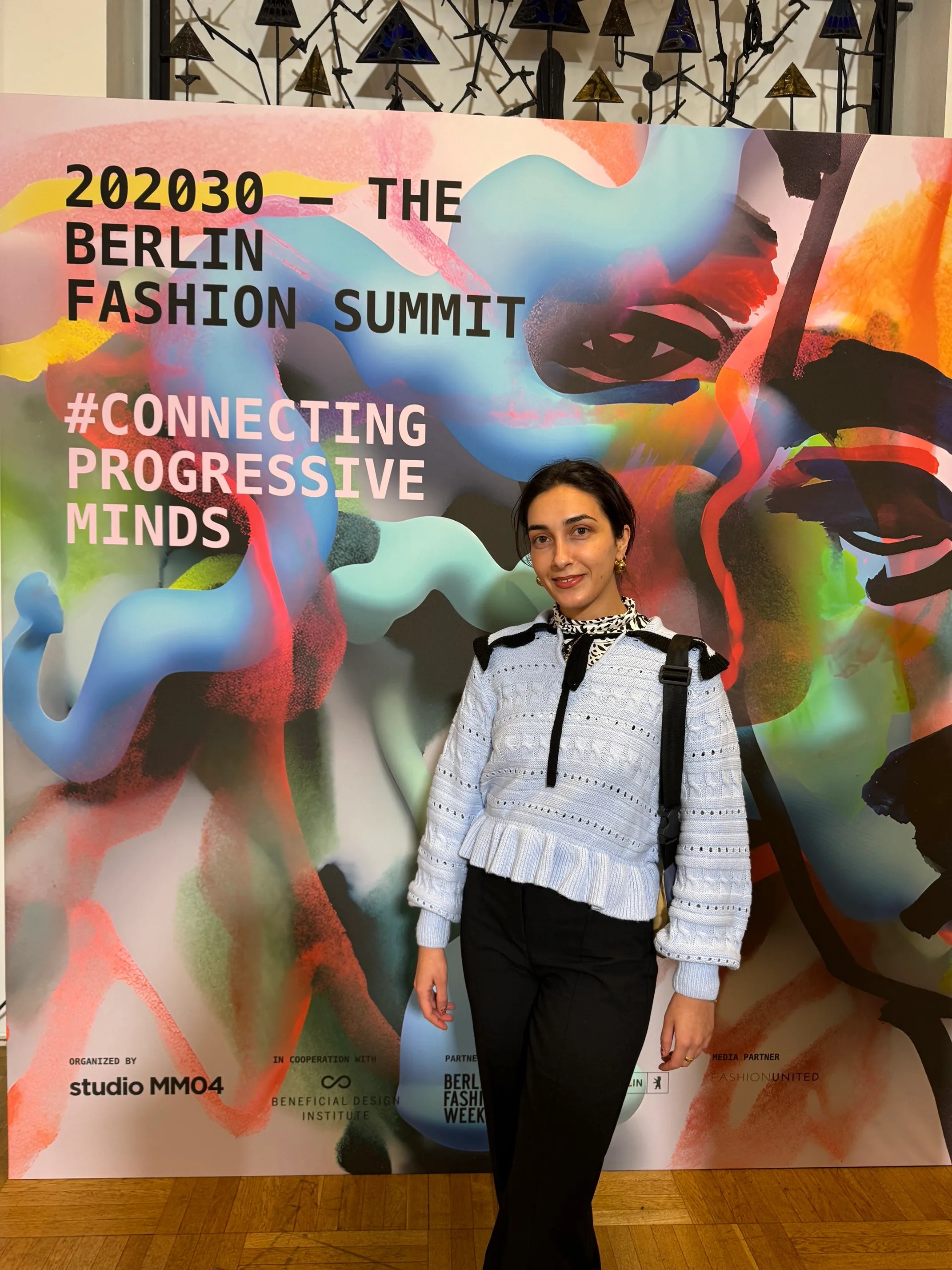
My name is Bilgesu, and I am a graduate of the Department of Art Management at Yıldız Technical University. I am passionate about self-improvement and have a curious nature. During my early university years, I worked in exhibitions and galleries and participated in the Istanbul Biennial, all related to my studies. However, I have always had a keen interest in the fashion sector.
While studying, I took on roles as a styling assistant and completed various translations for magazines such as Marie Claire, Elle, and Alem. Although these experiences were tiring and often felt unrewarding, they helped shape my path. At that time, my roommate and I also started a small swap initiative, which allowed us to meet new people and explore new ideas. My interest in fashion eventually evolved into focusing on sustainable fashion and textiles. After graduating, I interned at a circular fashion consultancy agency in the Netherlands. I later continued to work in a sustainable marketplace in Berlin while enhancing my skills through training from global institutions. I believe my multidisciplinary background allows me to approach my work from many different perspectives.
I currently live in Prague with my husband. I work remotely as a communicator in the denim sector, provide freelance sustainability communication consultancy services, and am the founder of trtex.org, where we produce projects, organize training, and bring together producers, professionals, and young generations to create awareness and positive impact with a focus on sustainable and circular fashion. Here are some personal details about me besides work: Over the years, I have developed many new hobbies that enrich my spiritual self, including playing the bendir and practicing ceramics. I enjoy reading books, cooking, writing, doing yoga, dancing, and visiting exhibitions, striving to create experiences that nourish me and my soul.
What motivated you to enter the textile industry and launch Trtex.org (Turkey Textile Research Organization)? Was there a defining moment or experience?
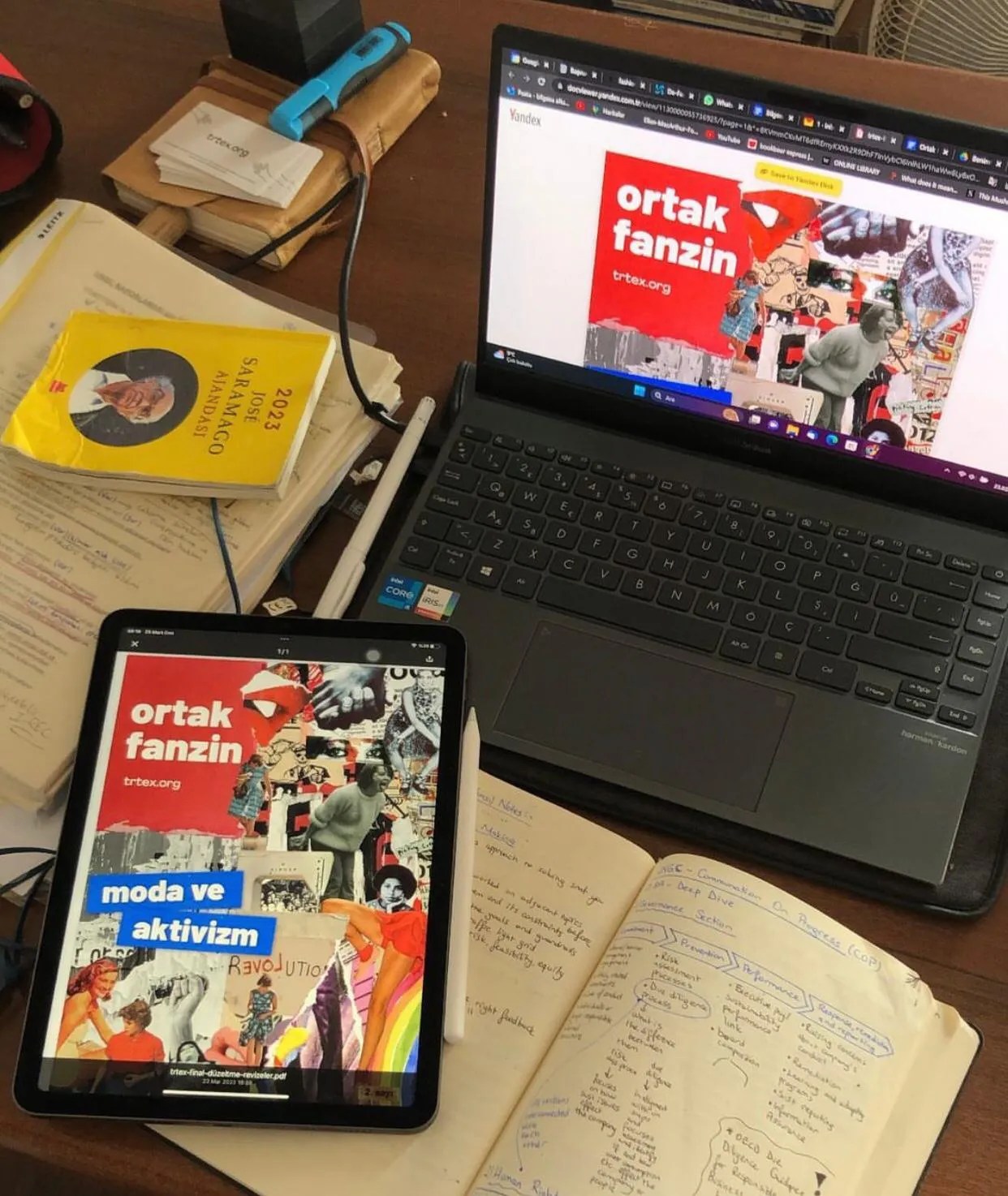
While working on my graduation project at university, I had to explore numerous resources related to sustainable fashion. Although I could access materials in English, I found a significant need for more Turkish resources and encountered much-distorted information. At the same time, I wanted to discover global communities, activist movements, and opportunities in this field. I was actively involved in fashion communities in Turkey. Still, I often dreamed of a space where people interested in sustainability could collaborate to share resources, exchange ideas, spark creativity, and strengthen one another through creating, producing, and researching.
About six to seven months after I submitted my graduation project, trtex.org was established. Since the pandemic, I have felt isolated, but I always seek connection and community interaction. I believe it’s essential for us to see, listen to, and connect.
How do you approach diversity and inclusivity in the fashion industry, and why do you believe it’s essential for the future of fashion?
The fashion industry has always appeared very complex to me, encompassing fashion philosophy, history, production balances, consumption habits, and factors influencing purchasing behavior. Fashion plays a significant role in self-expression, serving as an essential means of communication and reflecting our personalities today. While fashion has provided a vast and free creative field for centuries, its most significant shortcoming lies in its lack of inclusivity.
Addressing inclusiveness and diversity should be a sincere priority when discussing sustainability. In my opinion, inclusivity and diversity are sensitive issues that require more than just physical or formal representation; they must also encompass the perspectives of disadvantaged groups, gender representation, various races, and global communities’ rich cultures and trends.
We all have different bodies, characteristics, and demands, and fitting these into standard molds, imposing beauty standards, and the fact that the boundaries of the fashion industry are broad on the one hand and so narrow on the other hand create much contradiction.
I believe in the power of stories. I also observe how narratives affect our lives. Because they distil the essence of the human condition into super-concentrated form, stories and narratives can do anything, which I learned from Ben Ambridge. We have heard stories of certain cultures from certain people/institutions in the fashion industry until today. The standard system we are in still actively continues to convey these stories and narratives, but fashion needs new stories and narratives; it needs to show the depths of cultures, highlight craft and labor, and develop itself socially.
How have Turkey’s cultural traditions, especially Mediterranean or Anatolian cultures, influenced your vision in fashion and textiles?
I want to begin my response with a confession. Over the years, as I have traveled, read more, and explored different cultures, my desire to learn about and connect with my own culture has grown passionately and continues to increase. Anatolia’s cultural history has developed regionally in diverse ways, shaped by the various nations it has hosted over the centuries, and it encompasses a rich and vast history.
Recently, I have felt the urge to immerse myself in local customs, particularly in fashion, textile production, food, music, and agriculture. I pay close attention to the seasonal changes in my surroundings, observing the vital transformations throughout the year. I enjoy discovering foods and local crafts and even learning to create them. We often overlook many valuable practices and traditions within Mediterranean and Anatolian cultures, which amazes me. It is surprising how disconnected we have become from these life-enriching experiences.
In recent years, I started to make butter and yogurt at home. I’ve also tried picking and pickling olives, making fermented pickles, and preparing them for winter by making preserves. Observing the cycles of these activities teaches us a lot about the cycles of life. I ask myself different questions every time, such as: Why do we plant fig trees and olives side by side? What benefits do they provide to the soil? In which month goats give birth? What can I learn from observing fermentation? What can I learn from all of these natural cycles? It nourishes me; what can I contribute to it without harming it? How are the things I eat and wear produced, and where do they come from? Who makes these? Who are their makers? These questions have become central to my thoughts in recent times.
Everything in life is interconnected; we must observe and understand these relationships and connect the dots between humans and nature to reimagine the current system and enable change. For me, paying attention to local production, listening to stories, and understanding the motivations of fashion brands and small initiatives is incredibly valuable. There are remarkable techniques, raw materials, products, and designs unique to the region. Witnessing and learning about these aspects fascinates me deeply, as they stem from our geography, fostering a sense of belonging.
One important aspect I have focused on about fashion is my preference for brands rooted in Turkey. I strive to remain faithful to this preference and feel motivated to support and protect items produced within Anatolian and Mediterranean cultures.
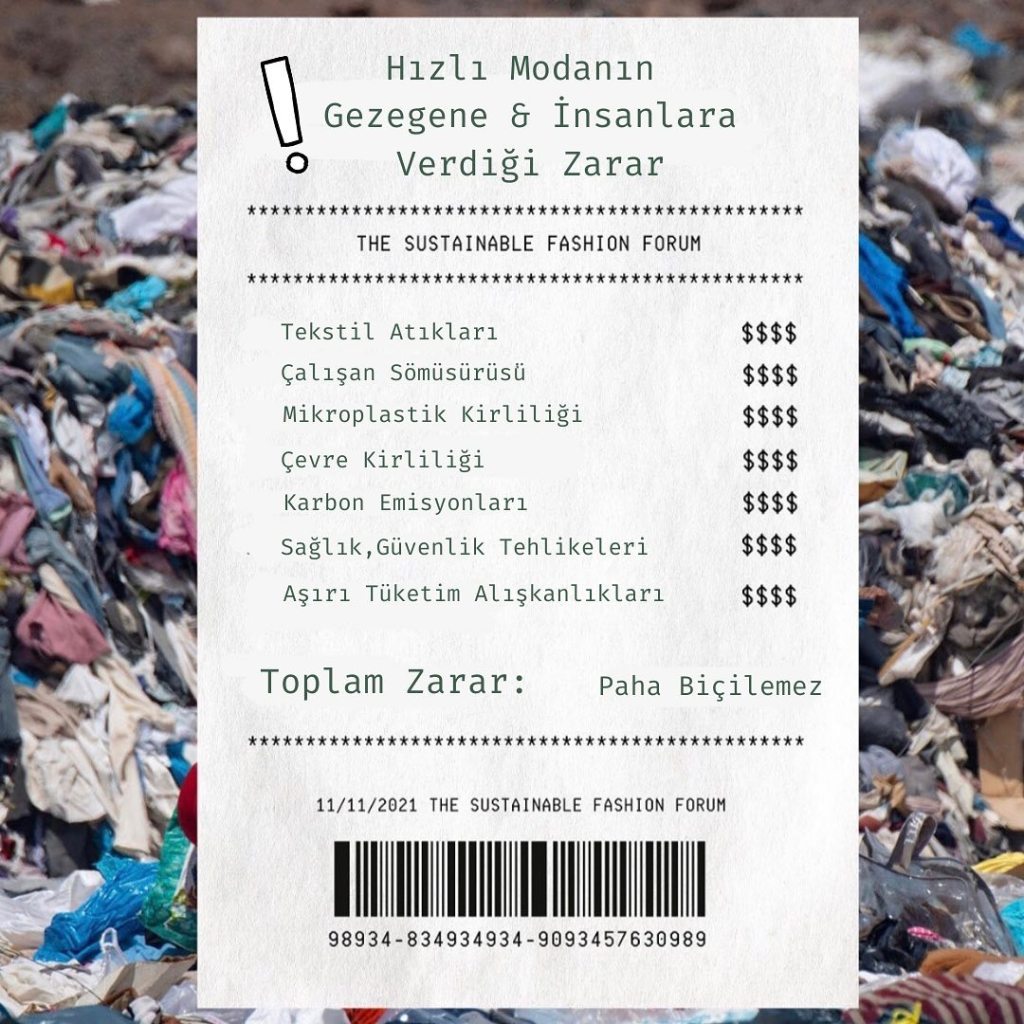
What are your aspirations for the future of Trtex.org, and how do you see it contributing to sustainable and ethical fashion?
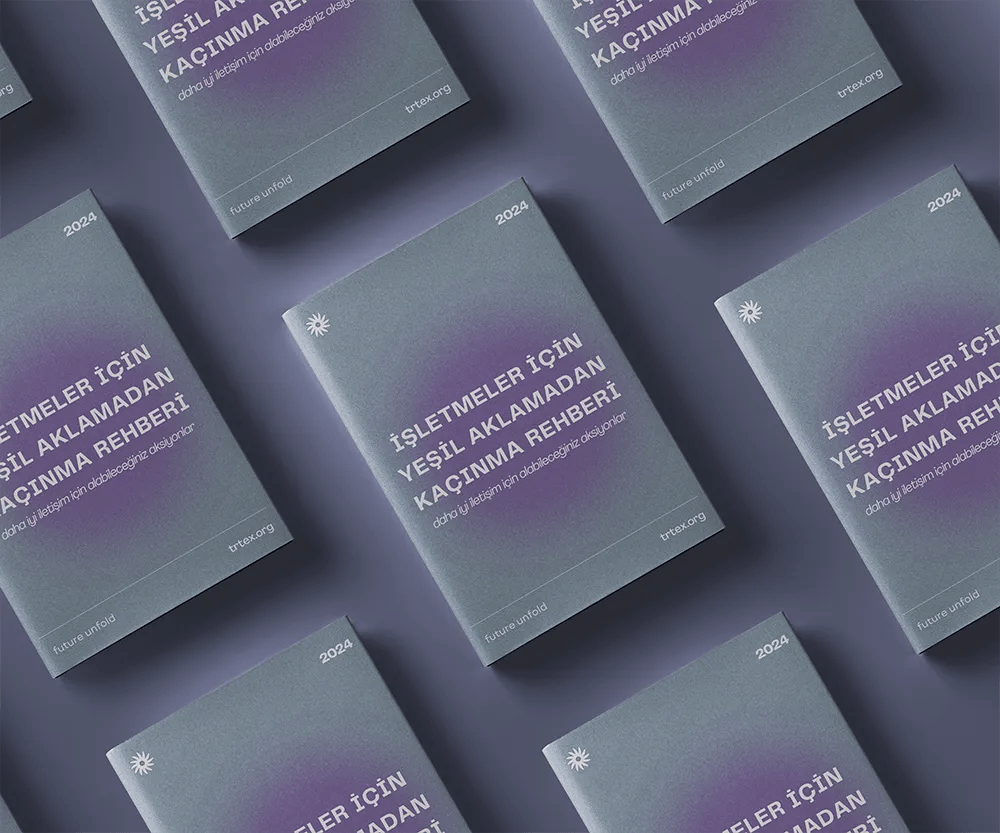
The primary goal of Trtex.org is to share only credible information while opposing greenwashing. We aim to encourage and empower the young generation, textile professionals, and others to question practices within the industry. We strive to present multiple perspectives on issues without targeting any specific group. Through this approach, I work to publish sources, build training programs and foster a strong community.
We cannot demand change on topics we are unaware of or do not fully understand. We must first recognize the existing problems to initiate change in the fashion sector. Therefore, raising awareness is one of our core values. Our arguments will need more substance with a clear understanding of the reasons behind various issues. We are committed to illustrating the “why” and “how” of the fashion and textile industries through diverse methods and channels, ensuring that our efforts are grounded in meaningful actions.
What key advice would you give aspiring entrepreneurs passionate about building a sustainable and circular fashion ecosystem?
I believe the fashion sector looks enjoyable but simultaneously cruelly ruthless. Not everything is as rosy as it appears; there is a lot of competition, greenwashing, human and animal exploitation, negative impact, and a distorted value system that is often unfair. To address, shift and solve these issues, we have to understand the industry dynamics and we must be good listeners, observers, readers, researchers, narrators, and storytellers. And for developing these muscles, investing in ourselves before expecting others to invest in us is crucial. We should work on rebuilding ourselves, gaining different skills, and equipping ourselves with knowledge. I have a strong belief in the power of knowledge. Because learning is a road without end or limit, we should enjoy this road and journey.
Let us question things without getting caught up in titles, egos, companies, manufactured goods, or mere words and promises. These steps can guide us in establishing our value systems. Sometimes, when we observe others, we realize what we shouldn’t do too — that happens to me frequently. So, be yourself, don’t compare yourself, forge your path, be hungry for learning, and stay curious!
 Mediterranean Commune*